A sisal rug is the workhorse of natural fiber rugs. It has a crisp, tidy look, stands up to heavy foot traffic and ages gracefully. It is also rougher and less forgiving of spills than other materials, so it helps to know exactly what you are getting before you buy.
What is sisal?
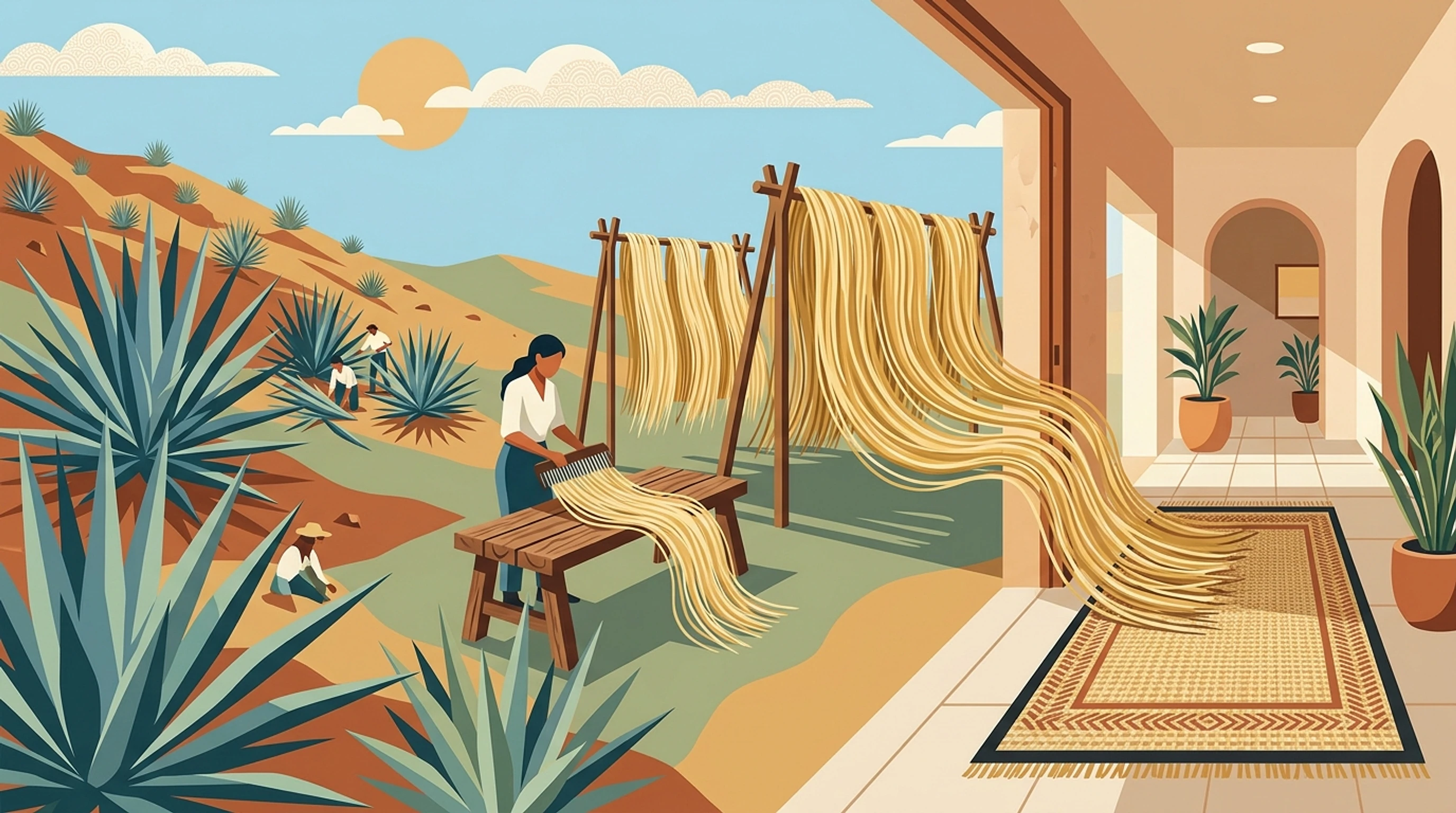
Sisal is a strong plant fiber taken from the leaves of the agave plant, a spiky succulent grown mainly in Brazil and East Africa. The long leaves are crushed and combed to release fibers, which are dried, spun into yarn and woven into rugs. Sisal is the same fiber used in rope and twine, which hints at its strength. It is renewable and biodegradable, and its naturally pale straw color suits almost any room.
Pros of sisal rugs
- Very durable. Sisal is one of the most hardwearing natural fibers, which makes it ideal for busy spaces.
- Neat and low profile. The tight weave lies flat and keeps a tidy shape, so doors clear it easily.
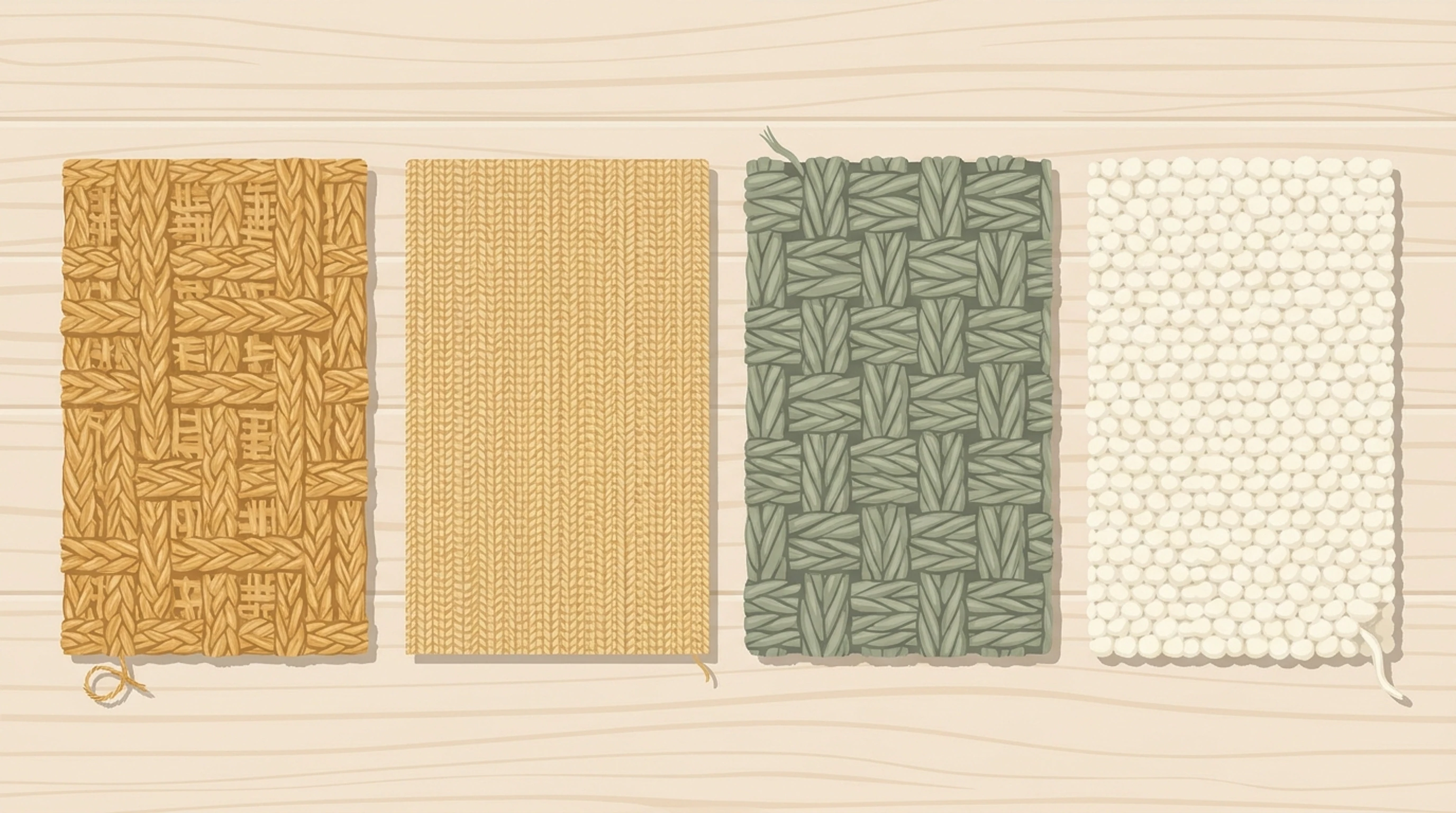
- Natural look. The woven patterns, such as herringbone, basketweave and boucle, add texture without competing with furniture.
- Static resistant. The coarse fibers do not hold static the way some synthetics do.
- Long lasting and affordable. Sisal often costs less than wool while lasting longer than softer natural fibers.
Cons of sisal rugs
- It feels rough. The fibers are stiff, so sisal is less comfortable barefoot than wool or jute.
- It stains easily. Sisal absorbs liquids. Spilled drinks can leave marks that are hard to remove.
- It dislikes water. Moisture can cause discoloration and ripples, so avoid bathrooms, kitchens and damp entrances.
- Limited colors. Sisal takes dye less readily than other fibers, so most rugs come in natural tones, with only a few dyed options.
- Cats love it. Sisal is used for scratching posts, so pet cats may treat a sisal rug as one.
Sisal vs jute
Both are plant fibers with a natural look, but they behave differently.
- Texture: jute is softer and more flexible. Sisal is stiffer and coarser.
- Durability: sisal wears much better in heavy traffic. Jute tends to wear faster.
- Appearance: jute has a warm golden tone and relaxed braided look. Sisal has a cooler, straw-like color and a crisper weave.
- Best for: jute suits living rooms and bedrooms where comfort matters. Sisal suits hallways, stairs, entryways and offices.
For the full jute story, read our jute rug guide.
Sisal vs wool
Wool is far softer, more stain resistant and more comfortable, and it can be dyed in any color. Sisal costs less and gives a more textural, casual look. If you want softness and spill resistance, choose wool. If you want a tough, neutral base and your priority is durability, choose sisal. Many people layer a softer wool or patterned rug over sisal to get the best of both.
Where to use a sisal rug
Sisal is at its best in:
- Hallways and stair runners, where its toughness is valued. See our guide to entryway and hallway rugs.
- Living rooms and dining areas, as a neutral base layer under other rugs.
- Home offices, where chairs roll across the surface.
- Sunrooms with controlled humidity.
Avoid sisal in bathrooms, kitchens and any space exposed to rain or damp footprints. In dining rooms, use it with care, since food and drink spills are likely.
How to clean and care for a sisal rug
- Vacuum regularly. Use suction only, without a beater bar, and vacuum along the weave. Lift the rug occasionally to vacuum the dust that sifts through.
- Act fast on spills. Blot with a clean, dry cloth or absorbent paper. Never rub, and avoid pouring water onto sisal.
- Treat stains sparingly. Use a barely damp cloth and a small amount of mild cleaner, then dry the area quickly with a fan or hairdryer on a cool setting.
- Avoid steam cleaning and wet shampooing. Too much moisture can cause permanent staining and shrinkage.
- Rotate the rug. Turn it every few months to even out wear and sun exposure.
- Control humidity. Natural fibers react to damp air. Keep the room reasonably dry.
For deep stains or a very dirty rug, call a professional who specializes in natural fiber rugs.
Pads and floors
Sisal fibers are coarse, so a rug pad helps protect hard floors from scratches and stops the rug from slipping. Choose a breathable felt-based pad, or a felt and rubber combination, and always check that it is safe for your floor. Our rug pad guide explains the options.
Frequently asked questions
Is sisal better than jute? Sisal is more durable and suits heavy traffic. Jute is softer and more comfortable underfoot.
Is a sisal rug comfortable? It is firm and a little rough on bare feet. Many people prefer it for hallways and as a base layer.
Can you clean a sisal rug with water? Only very lightly. Sisal absorbs moisture and can stain, so blot spills, dry the area quickly and avoid soaking.
Do sisal rugs shed? New sisal rugs can shed some loose fibers at first, which settles with regular vacuuming.
Are sisal rugs good for pets? They are durable, but cats may scratch them and spills can stain, so they are not ideal for pets that have accidents.
The Kindred Weave editors. We write practical guides to handmade rugs and tapestries. Learn more about us.