Tapestry Wall Hangings: Types, Sizes and Where to Hang Them
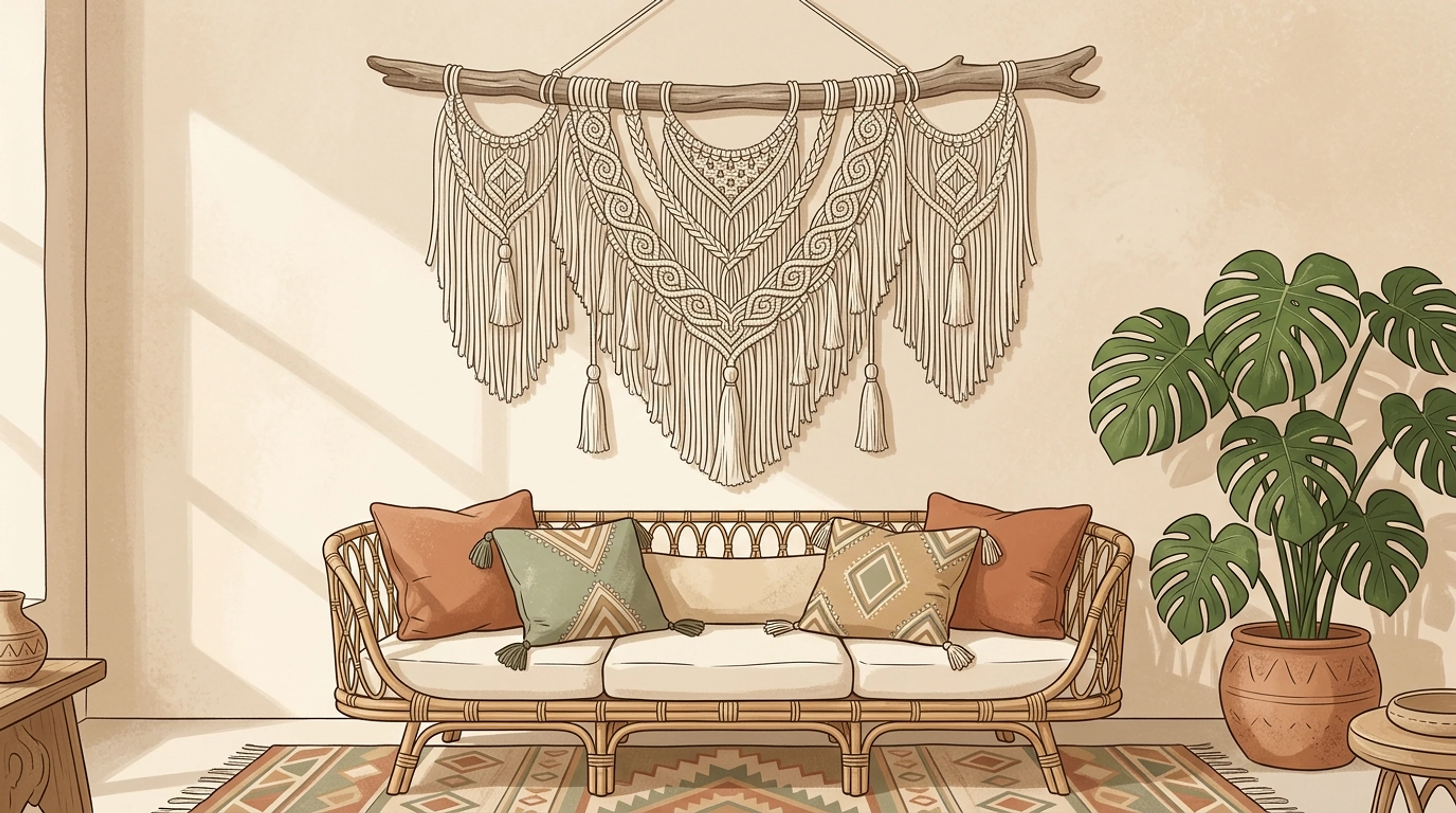
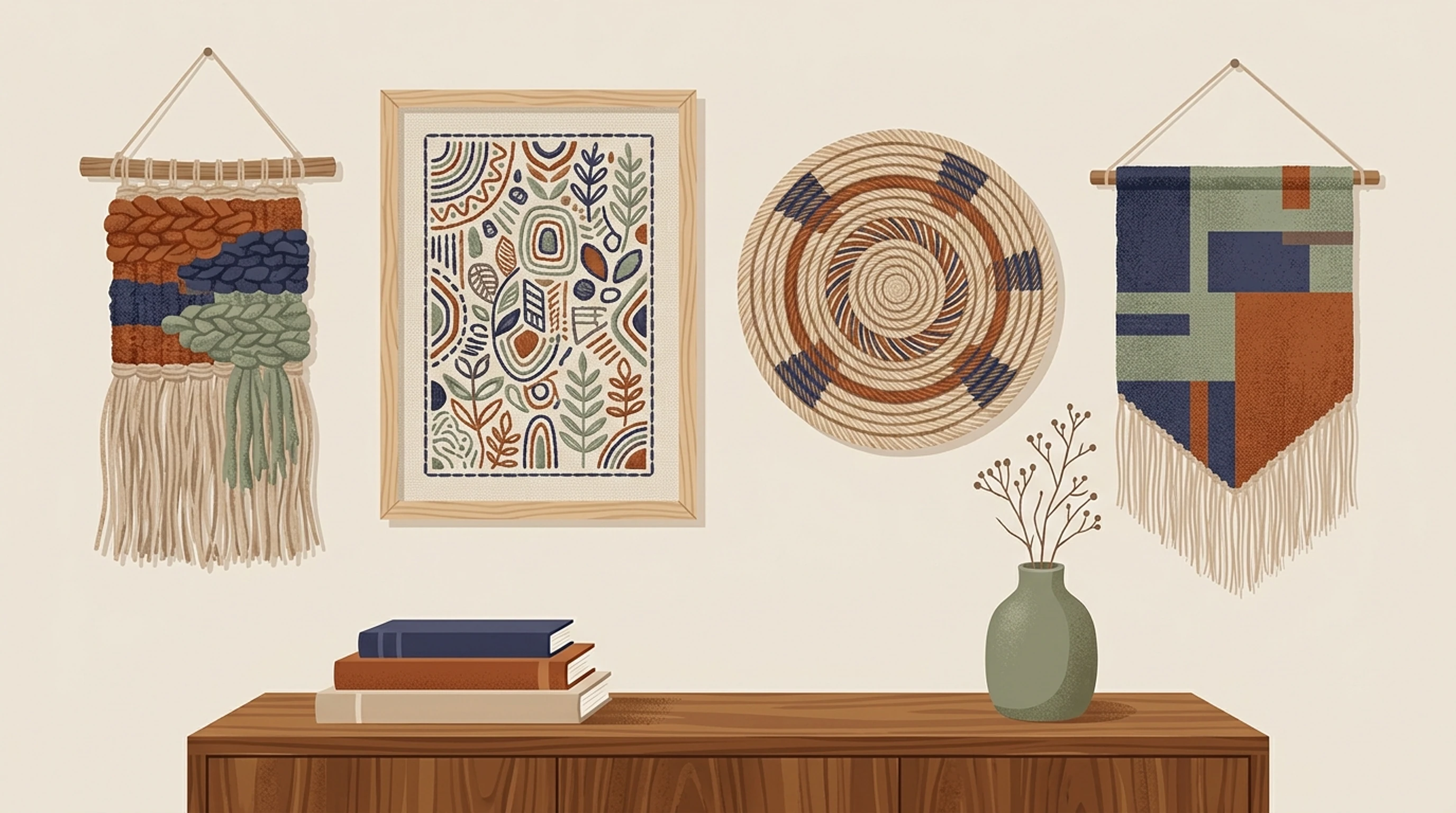
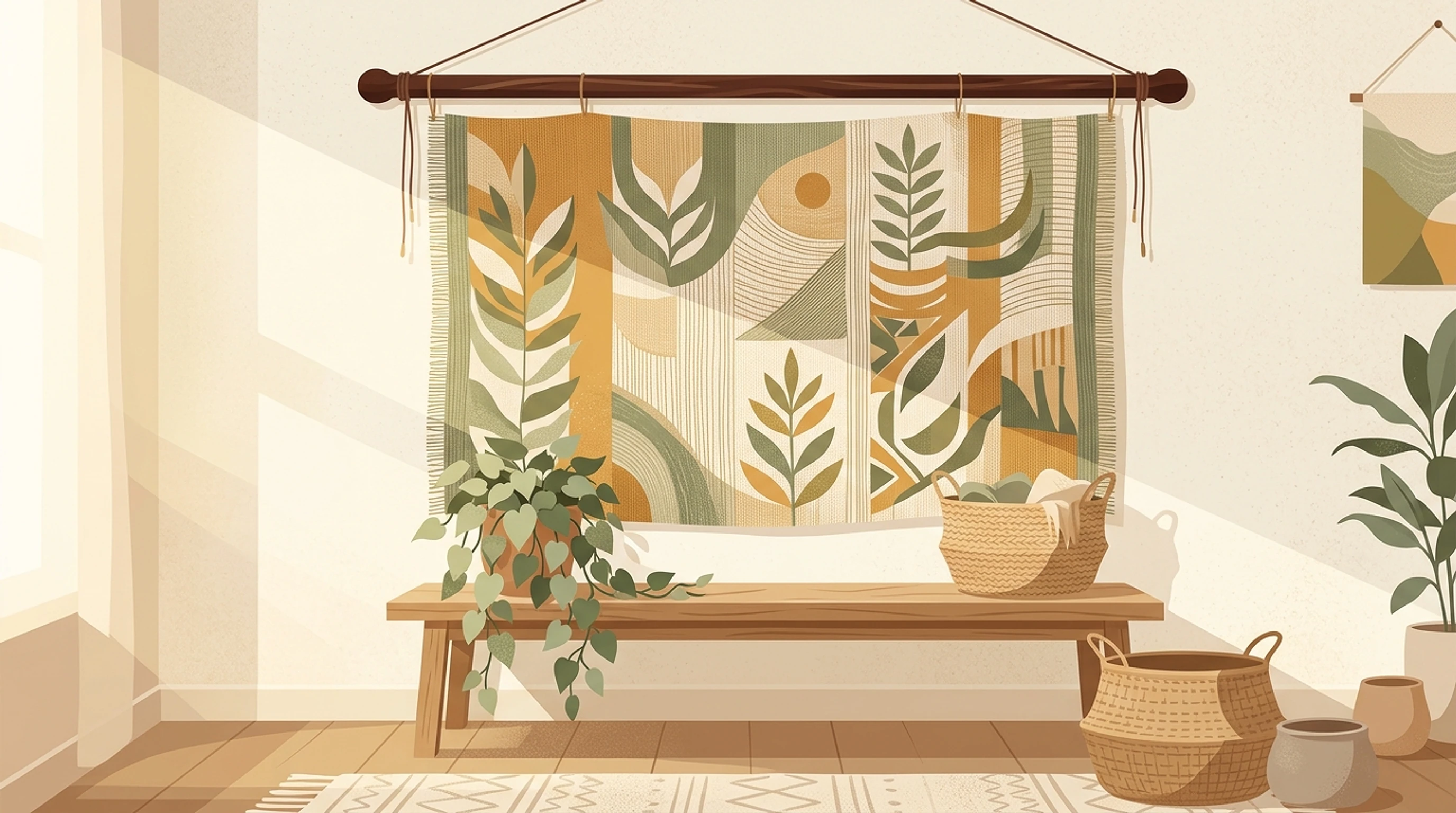
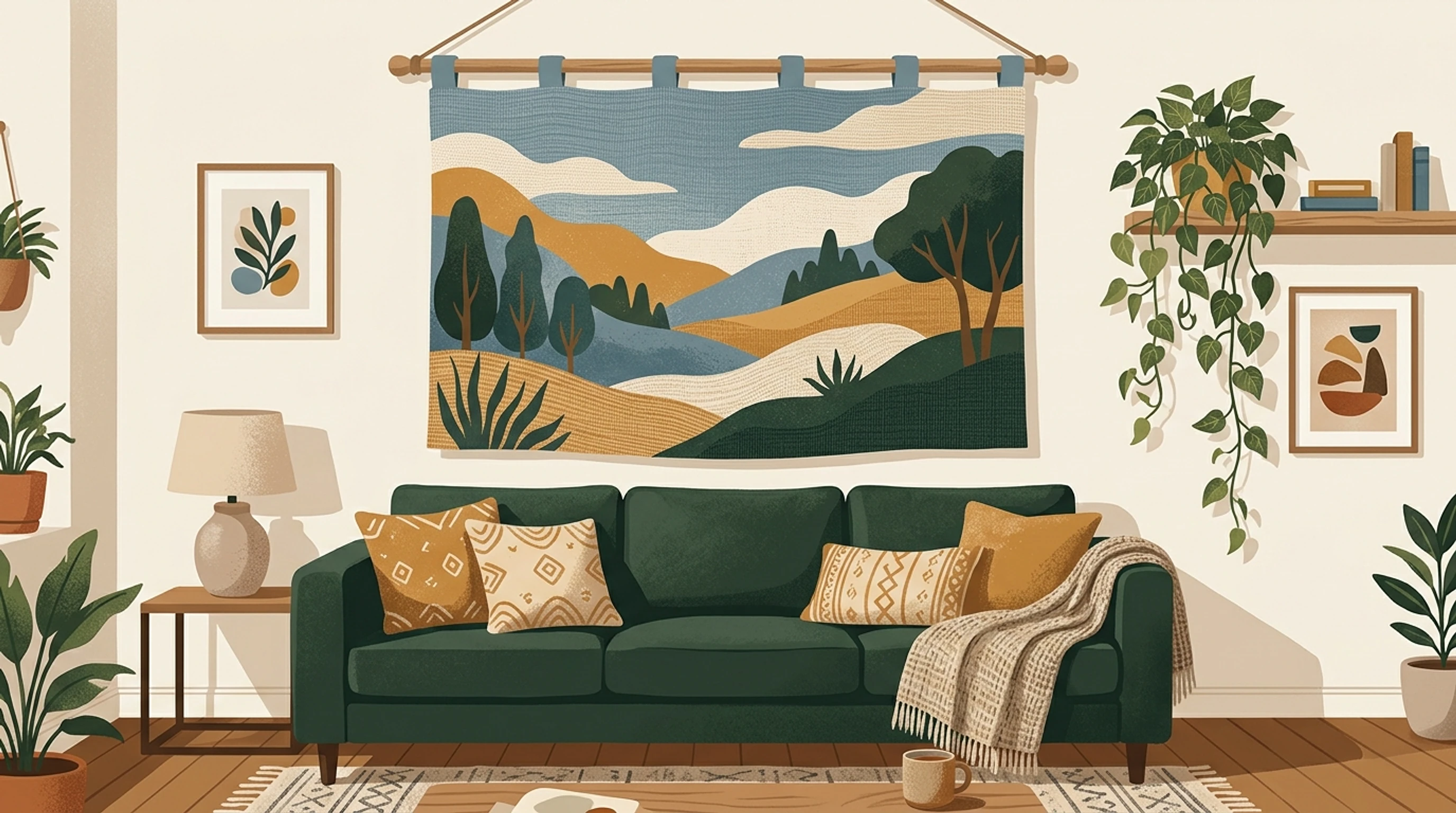
A tapestry turns a bare wall into a focal point. Learn the types of woven wall hangings, how to size one and where it works best.
6 min readRead guide →
A tapestry turns a bare wall into a focal point. Learn the types of woven wall hangings, how to size one and where it works best.
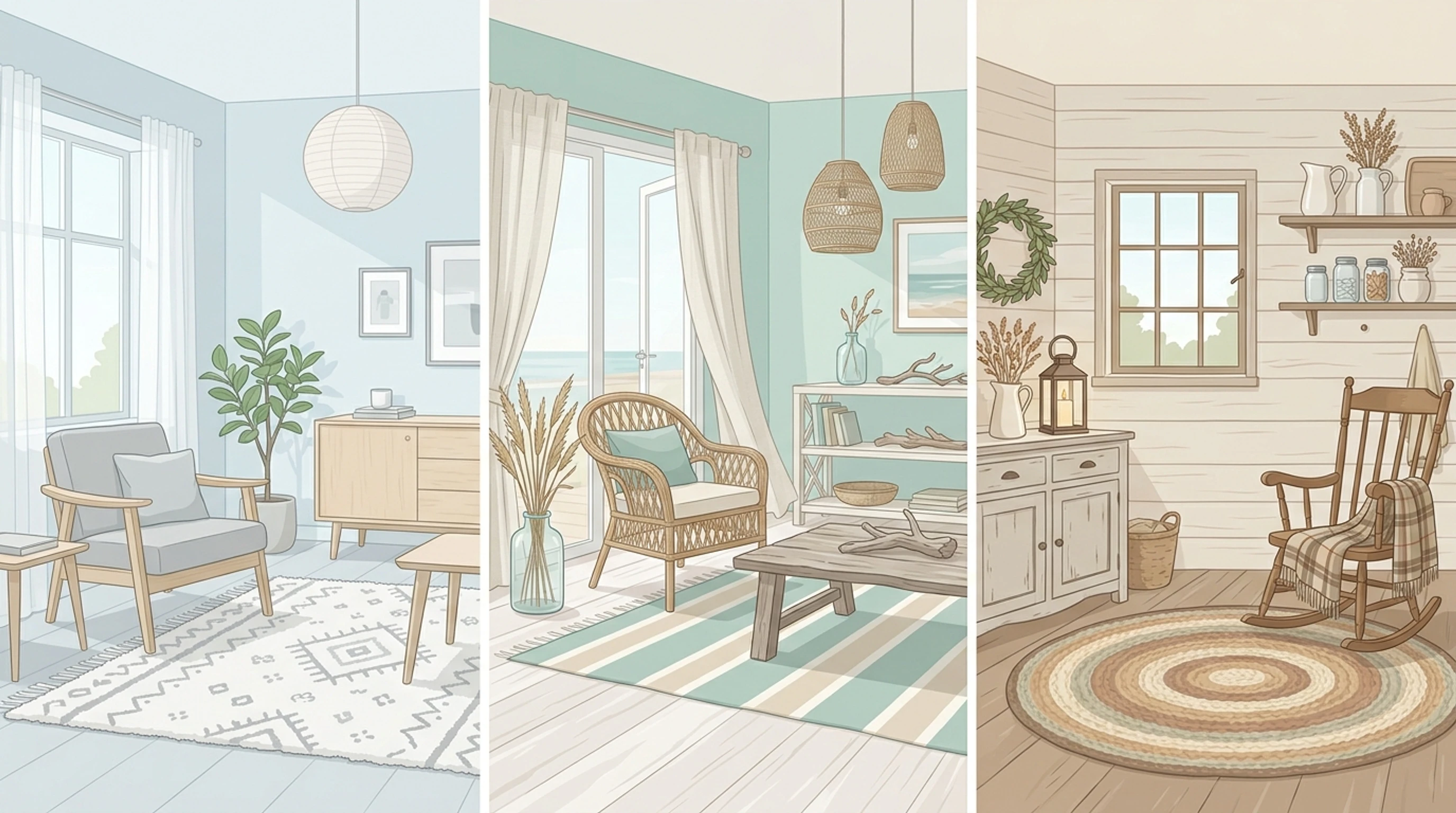
Light and minimal, breezy and blue, or warm and rustic: here is how Scandinavian, coastal and farmhouse rugs differ and how to choose between them.
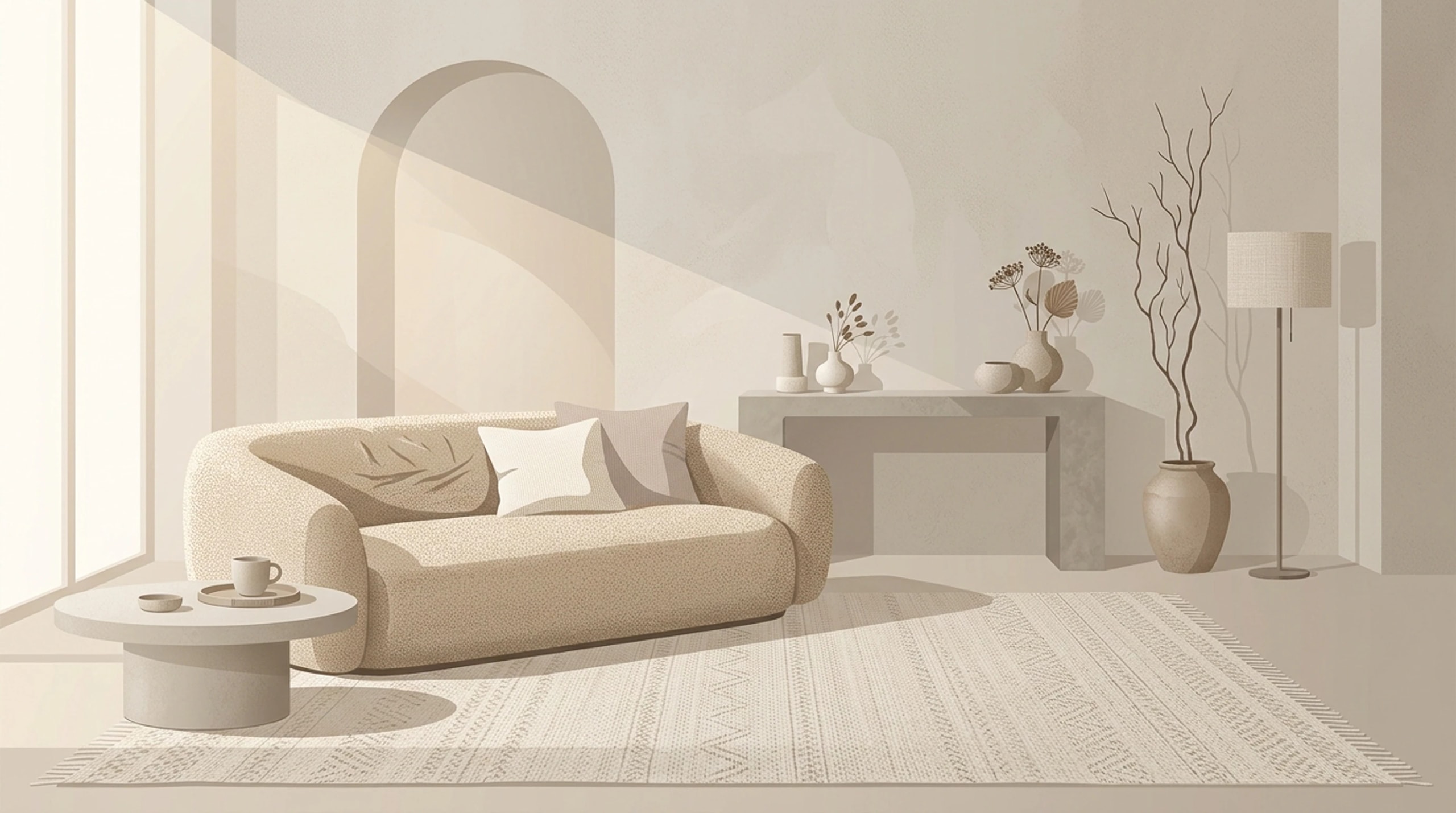
A neutral rug is the easiest rug to live with, but it can fall flat. Learn how to choose the right shade, texture and material.
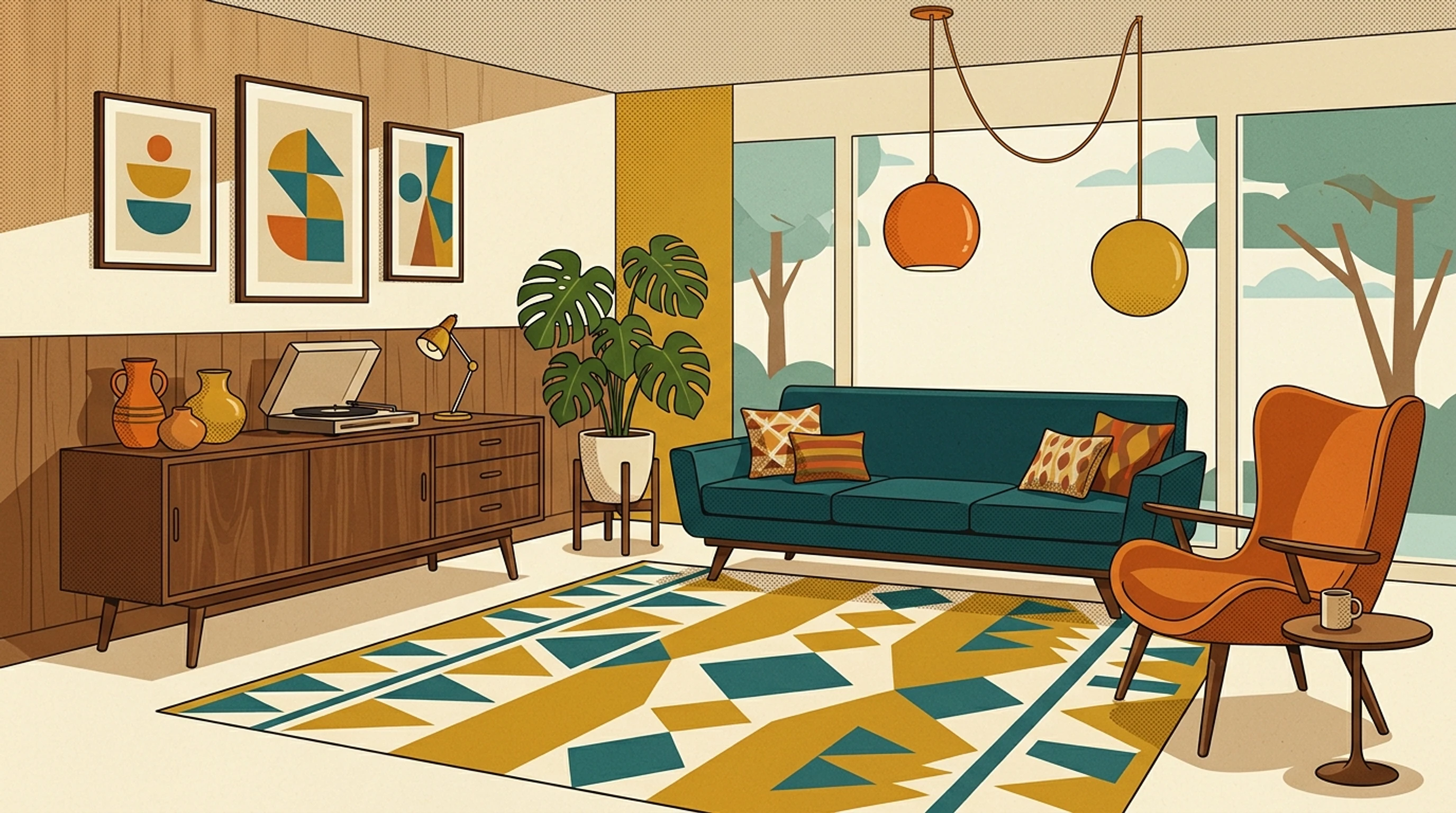
Starbursts, organic curves and bold color define mid-century modern rugs. Learn the styles, palettes and how to pick one that suits your room.
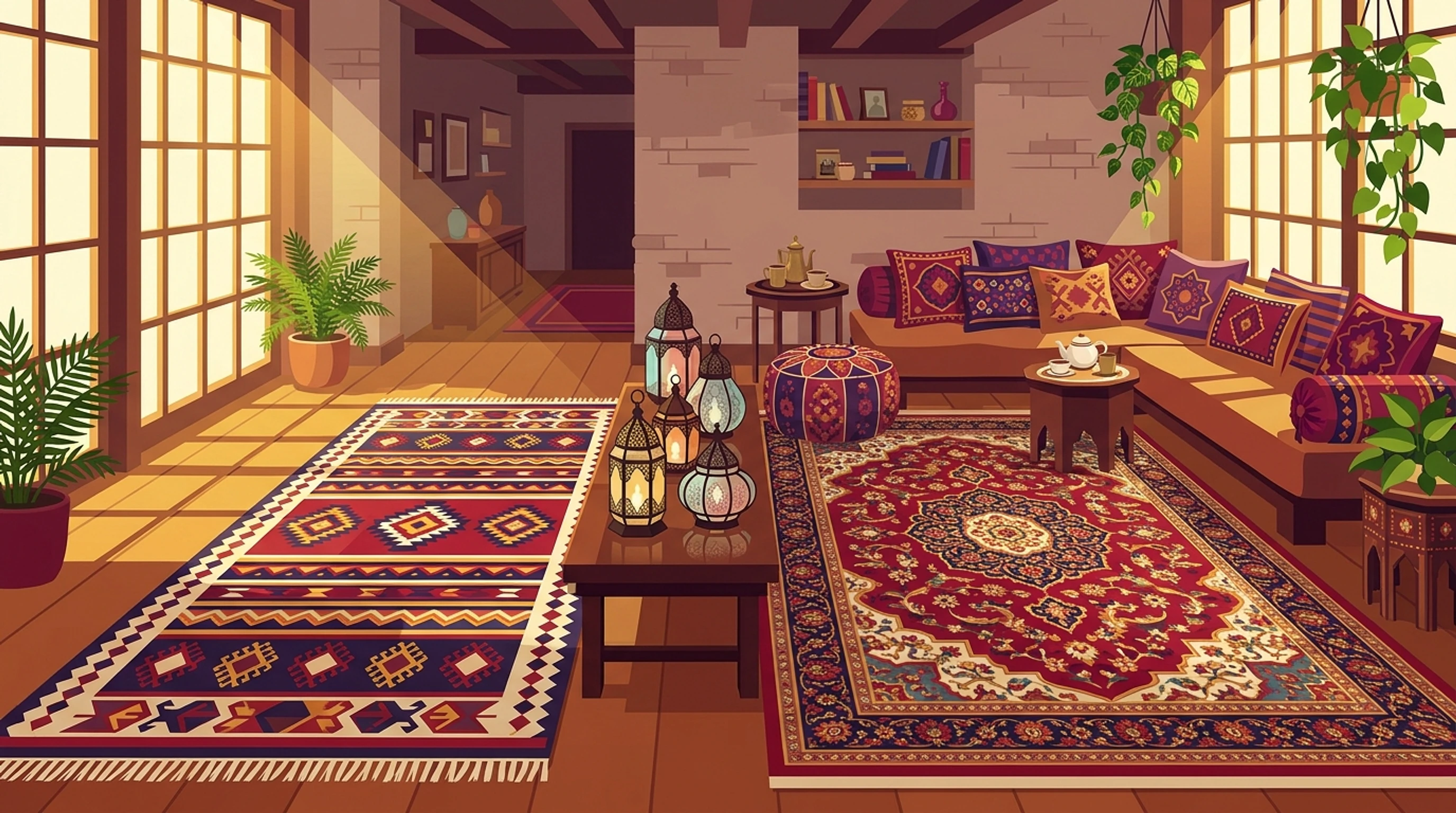
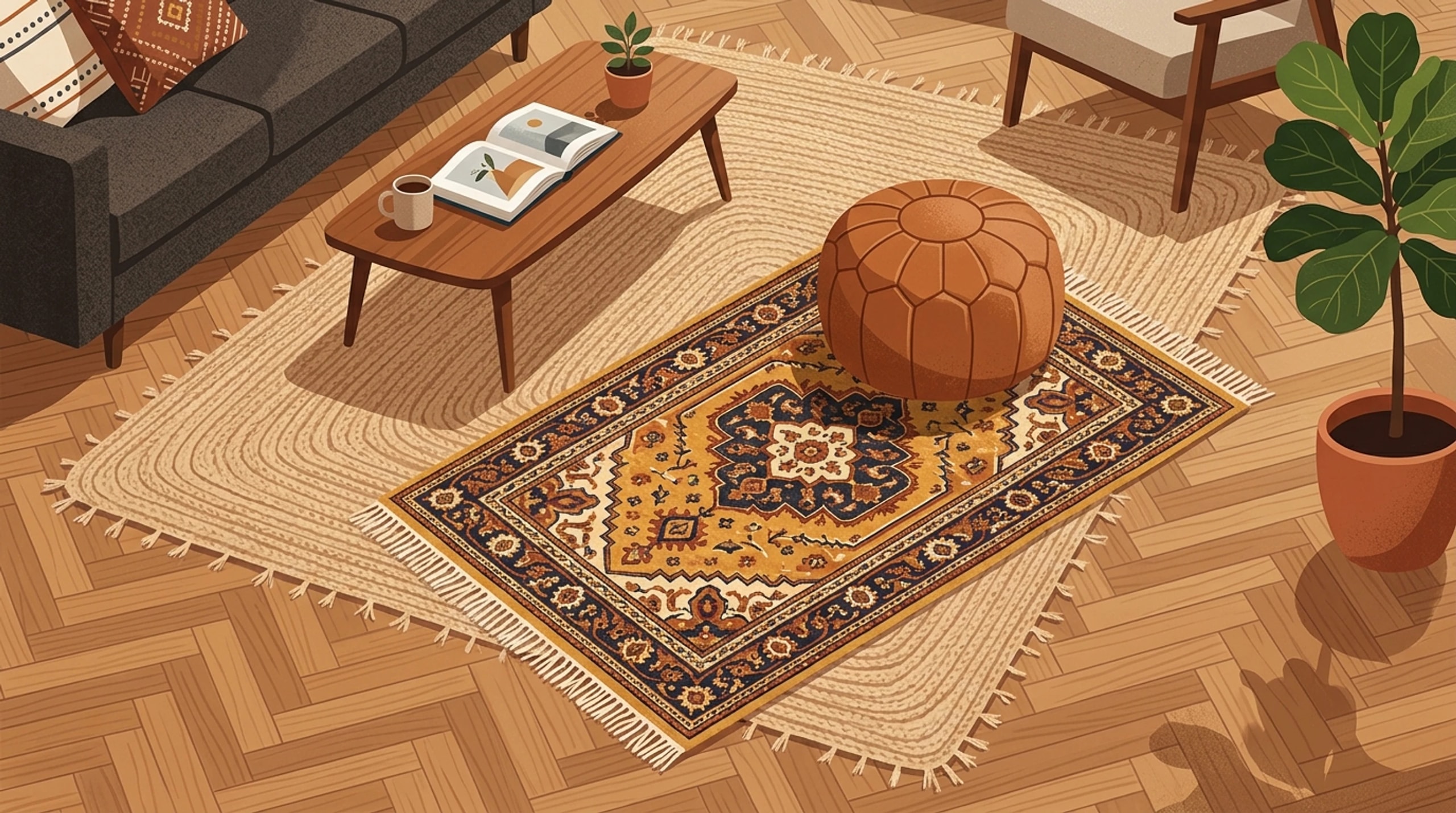
Kilim rugs are flat-woven and light, Persian-style rugs are dense and knotted. Learn how they differ and which one suits your room.
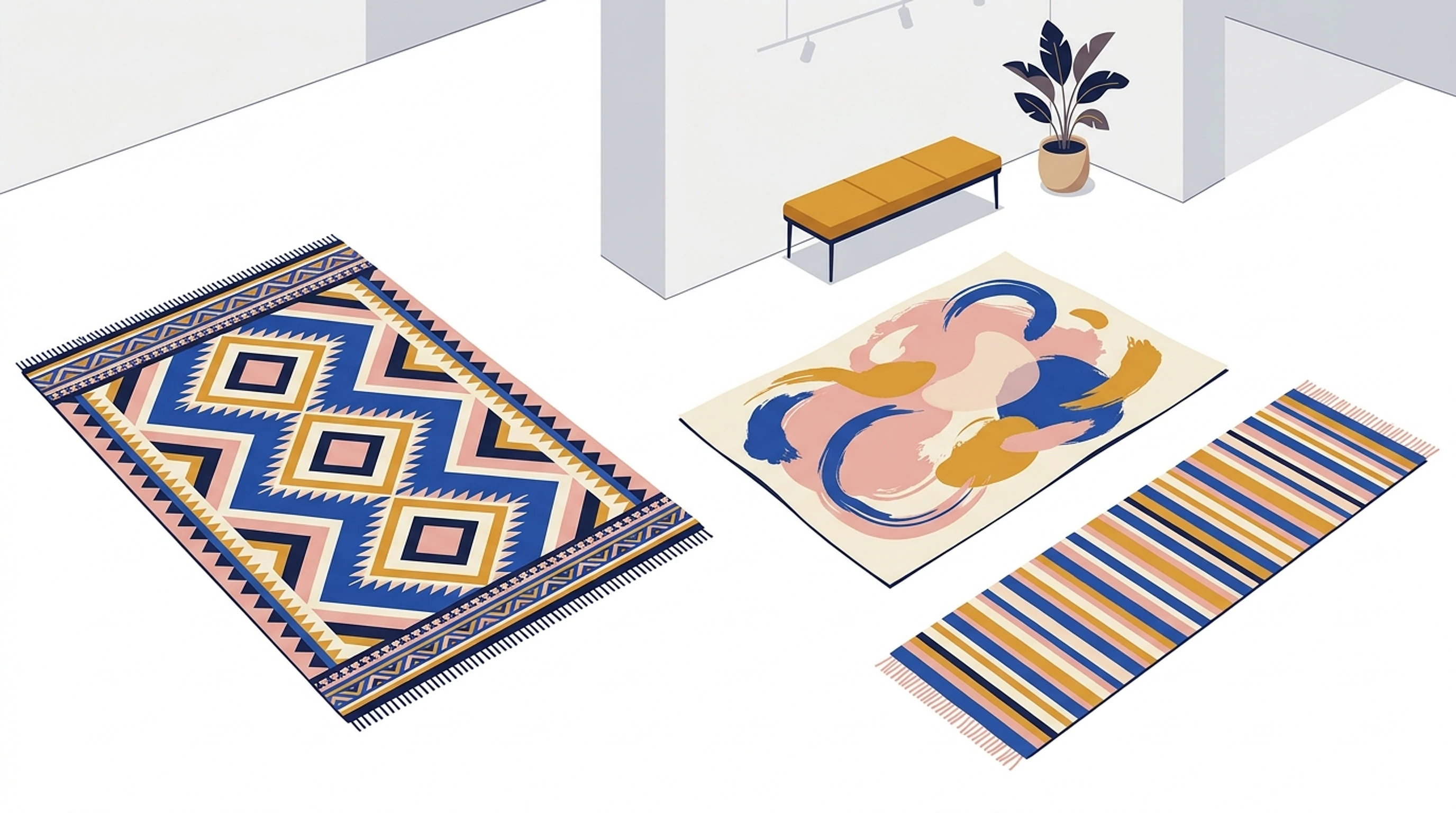
Geometric, abstract and striped rugs add structure, art and rhythm to a room. Learn how to choose and style each pattern with confidence.
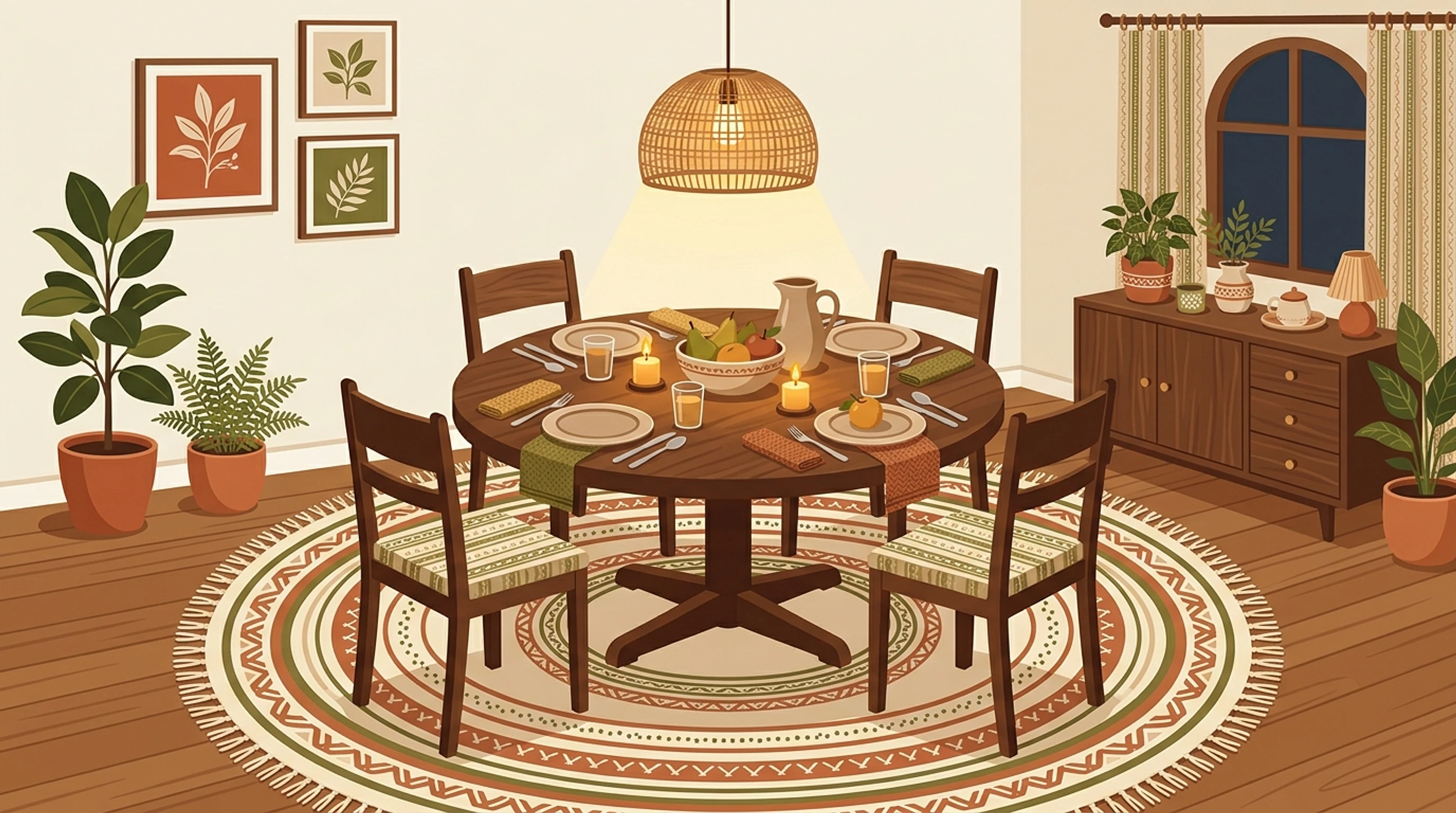
A dining room rug has to handle chairs, crumbs and spills. Here is how to choose the right shape, material, pile and pattern.
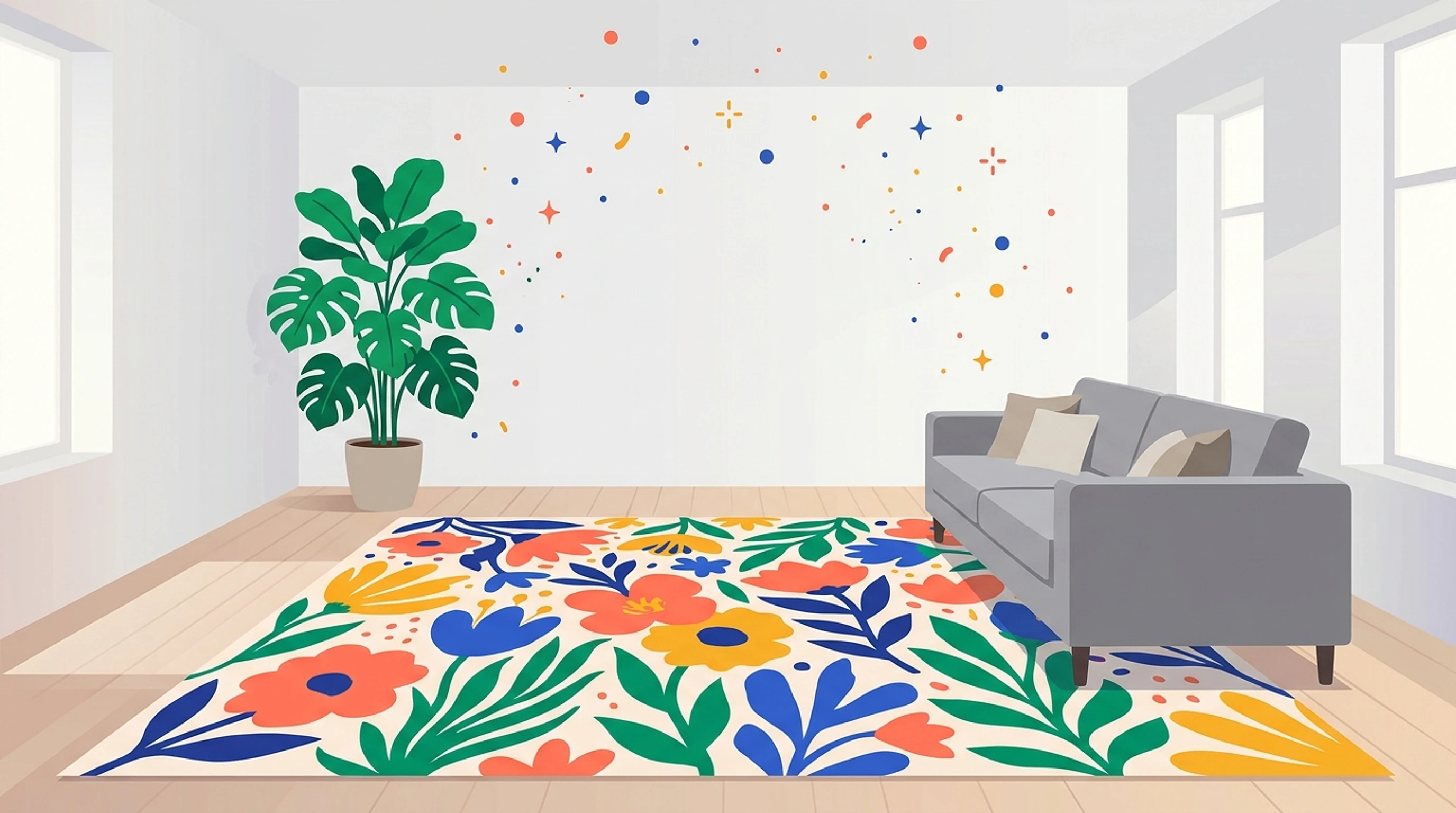
A colorful rug can transform a room, and it is easier to get right than you think. Learn color harmony, the 60-30-10 rule and how to mix patterns.
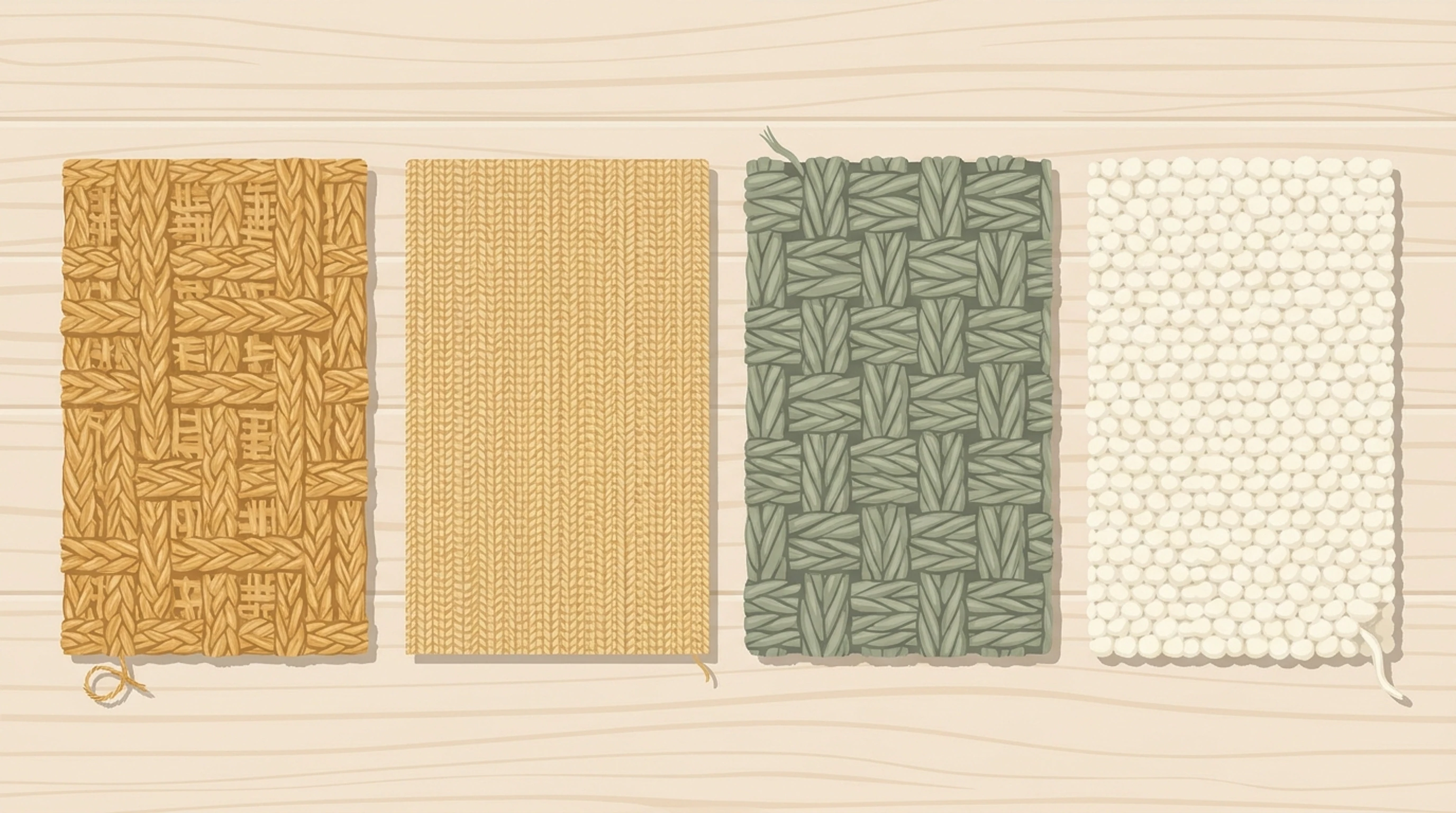
Is wool or jute better for a rug? Compare durability, softness, price, cleaning and best rooms for each, plus where sisal and cotton fit in.
Sisal is one of the toughest natural fibers for rugs. Learn where it works best, how it compares with jute and wool, and how to care for it.
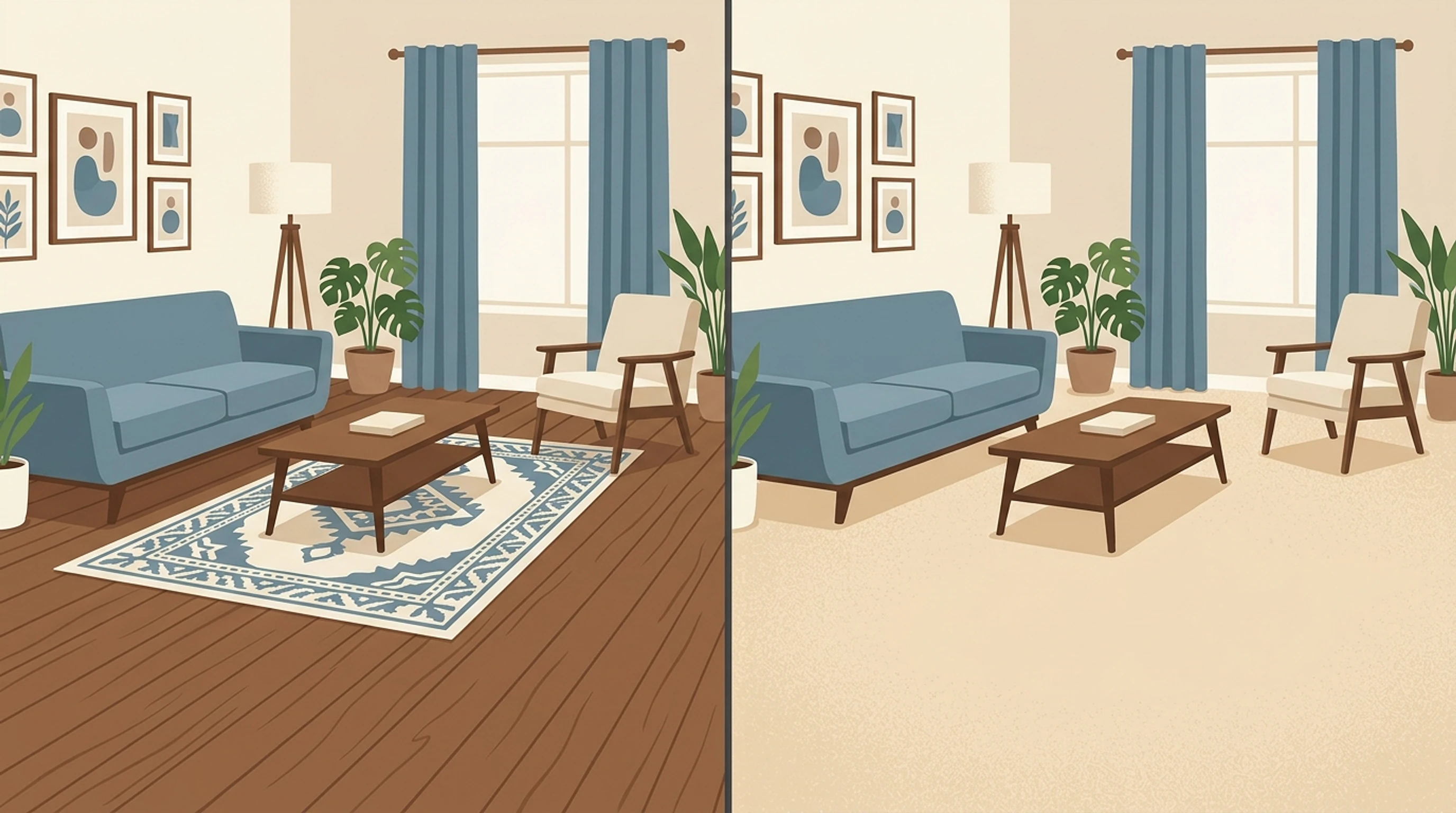
Rugs and carpets both cover the floor, but they work very differently. Compare cost, comfort, maintenance and flexibility to decide which fits your home.
Add 24 to 30 inches on every side of your table so chairs stay on the rug. Use our chart to find the right dining room rug size for your table.
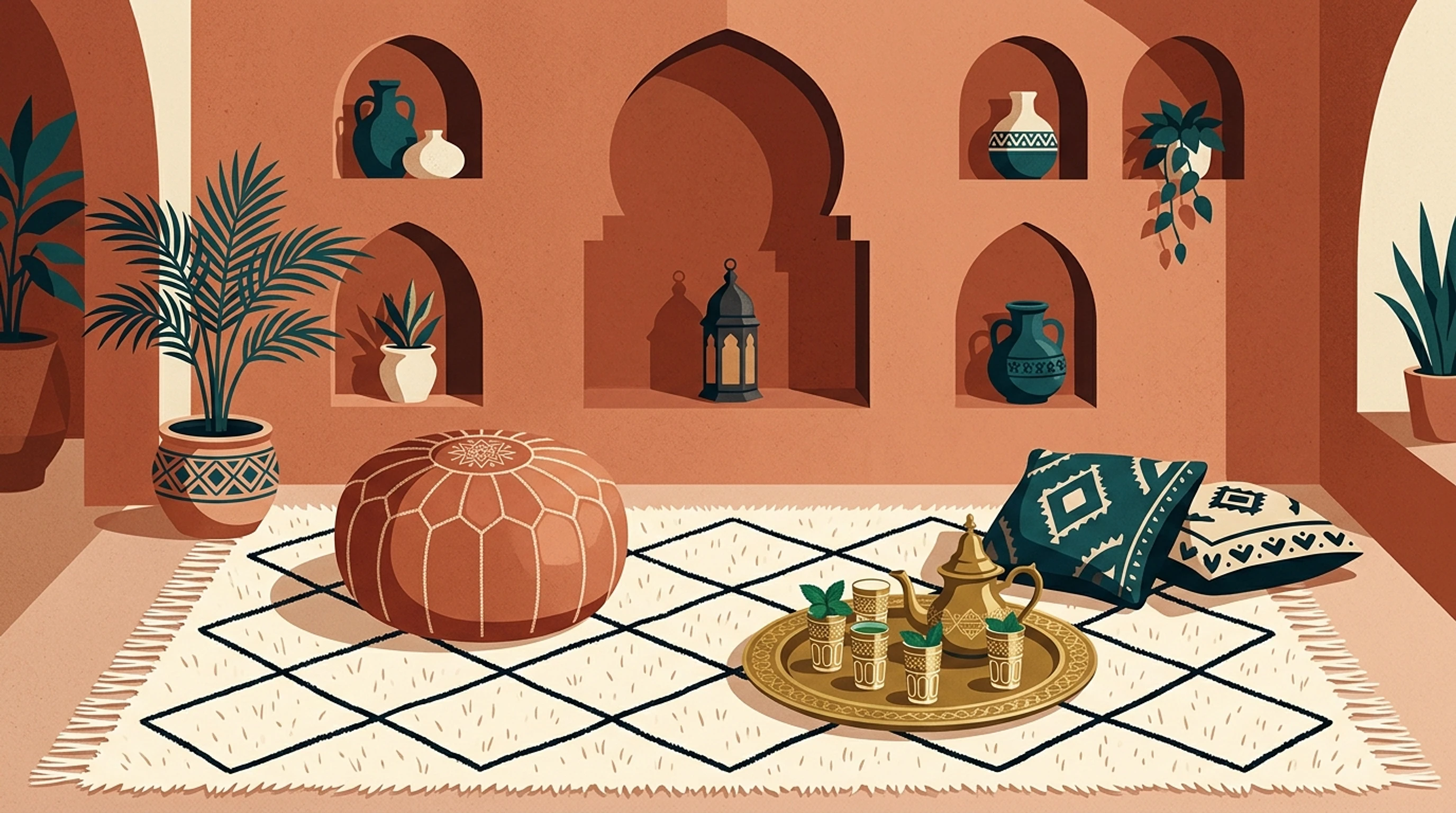
From cream Beni Ourain to colorful Boucherouite, Moroccan rugs are handmade, characterful and easy to style. Here is what to know.
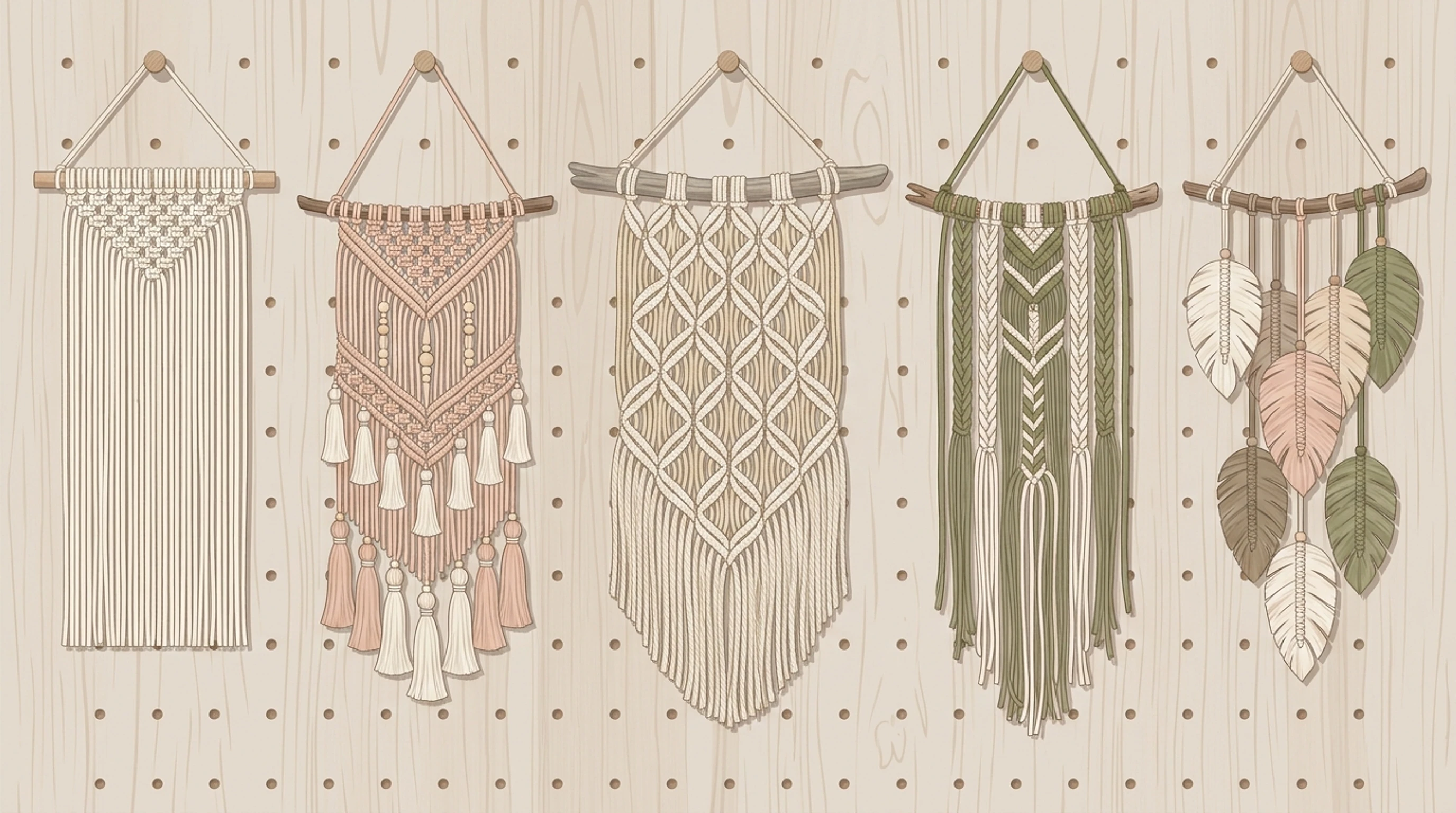
From knot patterns to hanging methods and cleaning, here is how to choose, display and look after a macrame wall hanging.
A macrame wall hanging adds texture and softness to any wall. Learn how to choose the right cord, size and style for your space.
Layering rugs adds texture, pattern and depth. Learn which sizes to combine, the best pairings and how to keep layered rugs flat and safe.
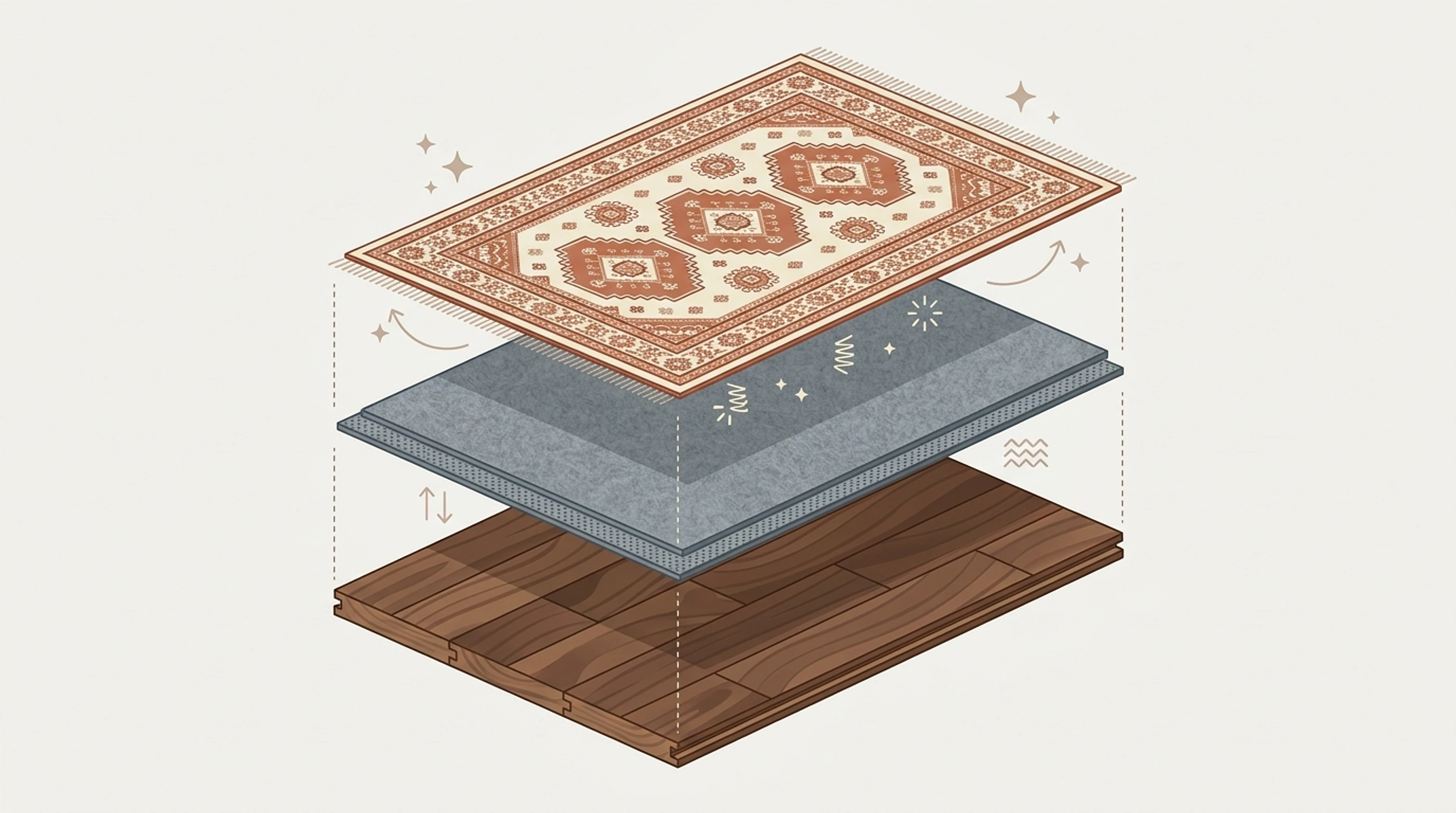
A sliding rug is annoying and unsafe. These fixes, from pads to rug tape, keep a rug flat and in place on any floor.
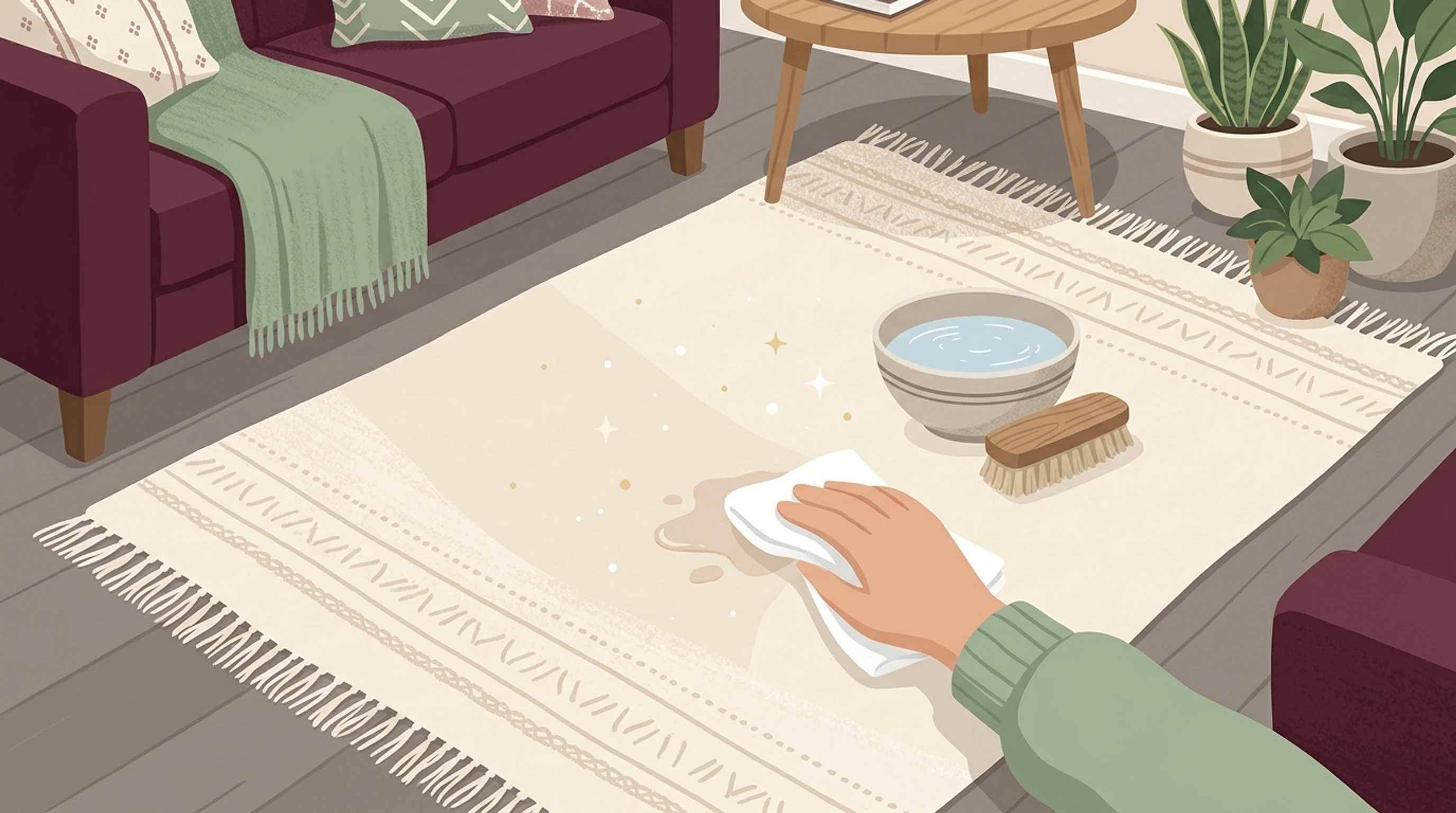
Wool is easier to clean than most people expect. Here is how to vacuum, spot clean, dry and refresh a wool rug without damaging it.
Jute needs a gentle, mostly dry approach. Learn how to vacuum, spot clean and dry a jute rug, and how to deal with odors and mildew.
Wool is the benchmark for rug fibers. Learn how wool rugs are made, what makes them last, why they shed, and how to choose a good one.
A rug that is too small makes a room feel disjointed. Use this size chart and room-by-room guide to get it right the first time.
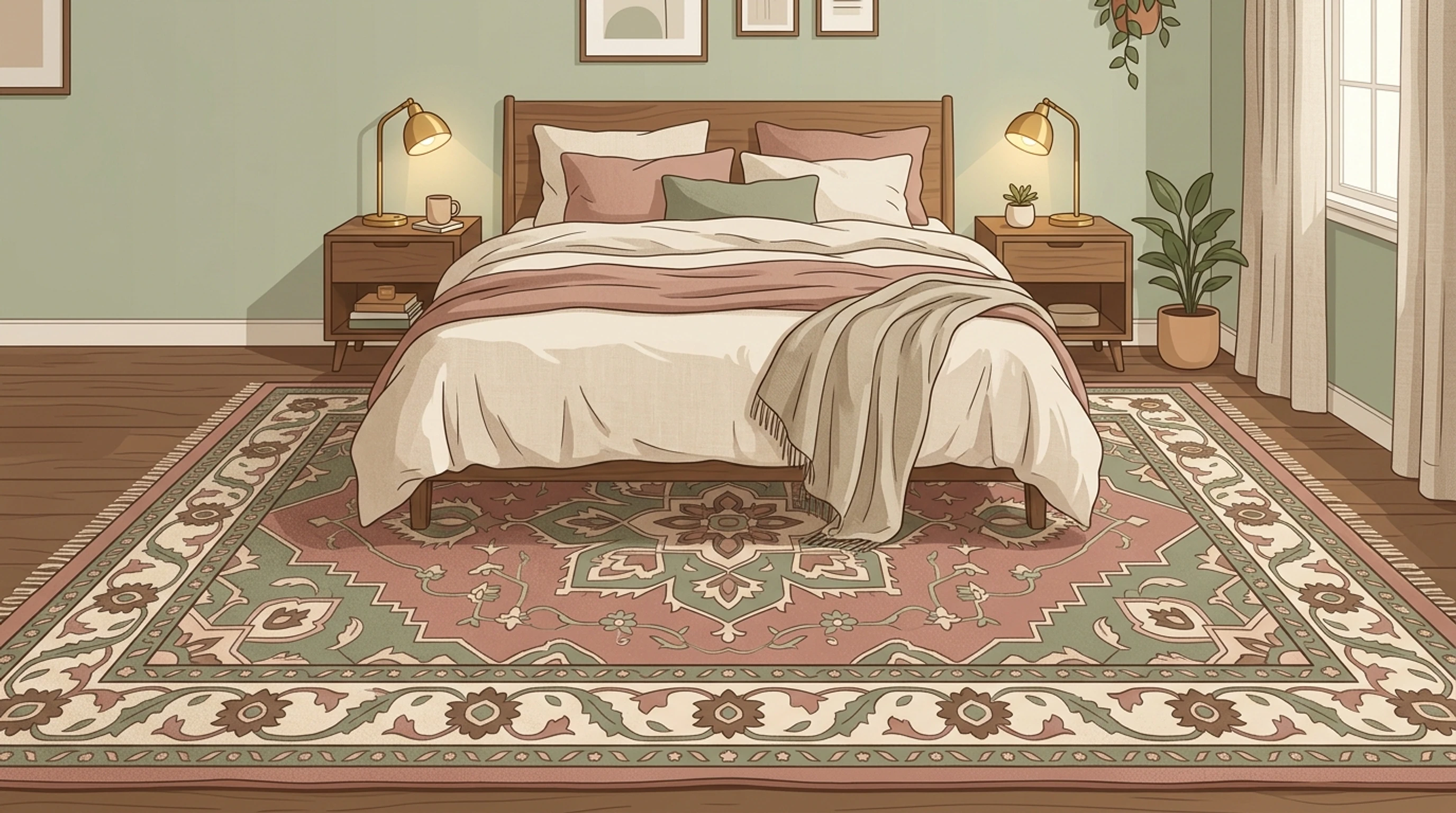
Queen beds usually take an 8x10 and king beds a 9x12, but how you place the rug matters as much as the size.
A rug pad stops slipping, adds comfort and protects both rug and floor. Here is how to choose the right type, thickness and size.
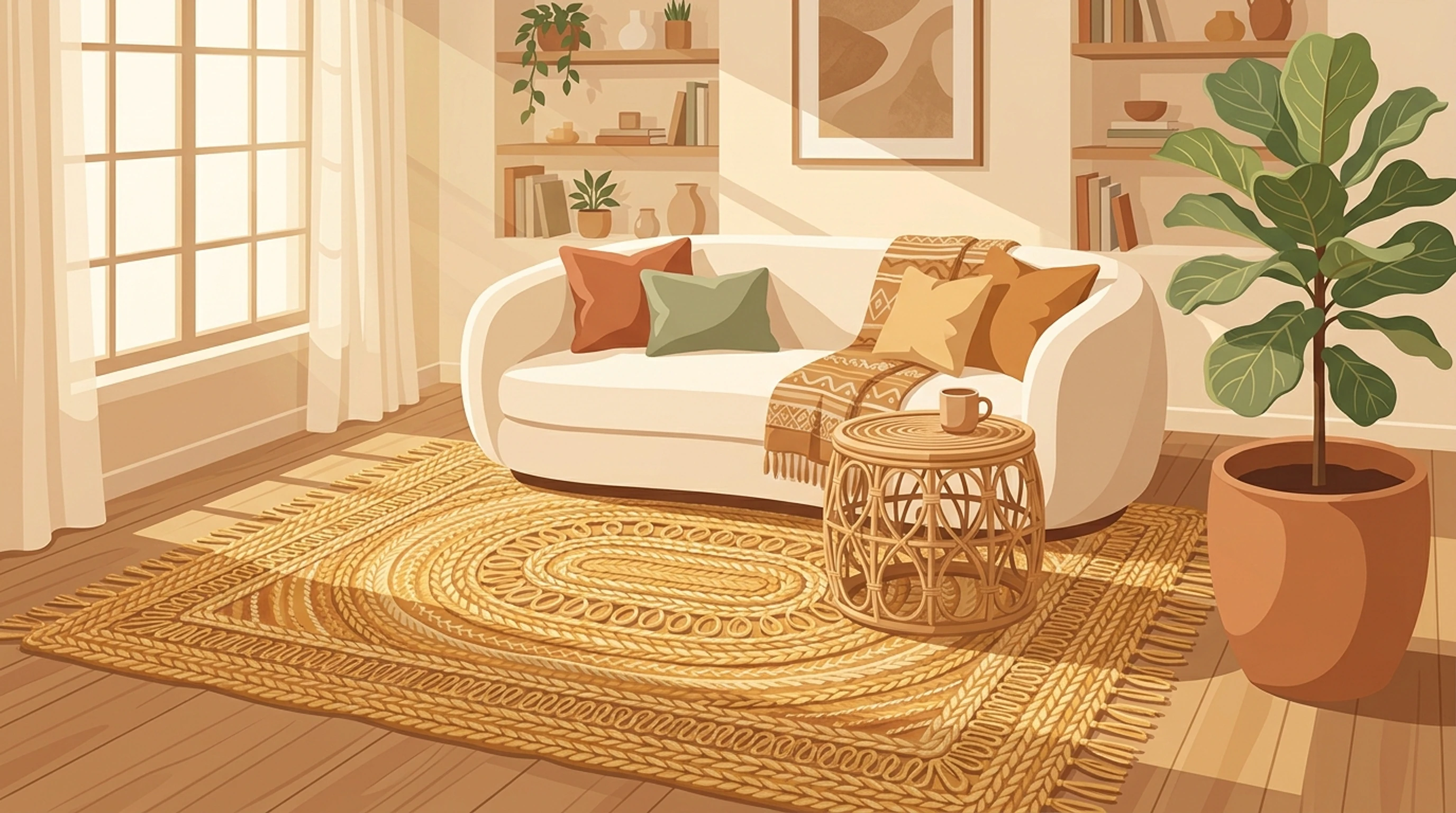
Jute is one of the most popular natural fiber rugs for good reason. Learn what it is, where it works, where it does not, and how to make it last.
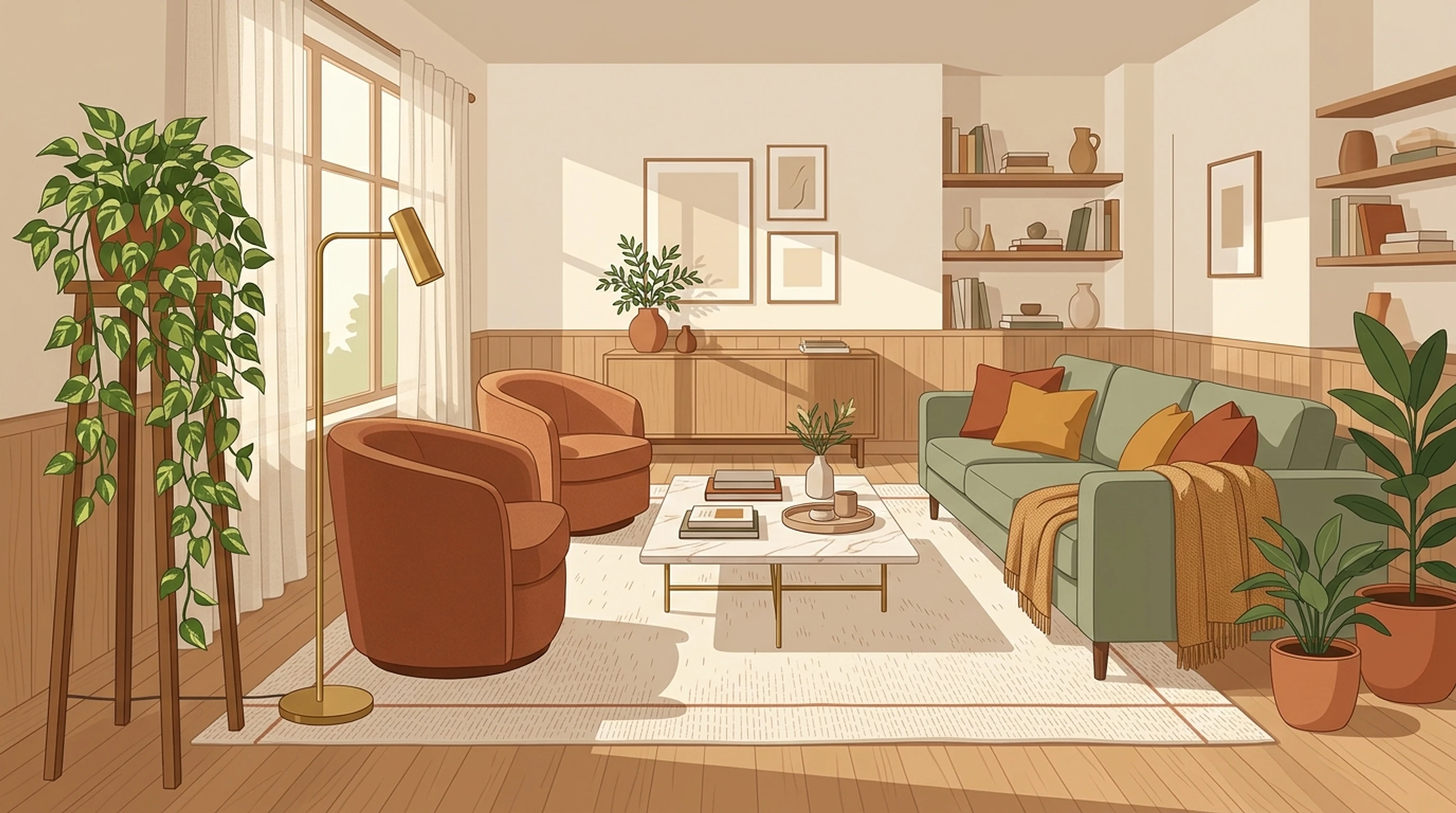
The right living room rug anchors your seating and ties the room together. Here is how to pick the size, material and placement.
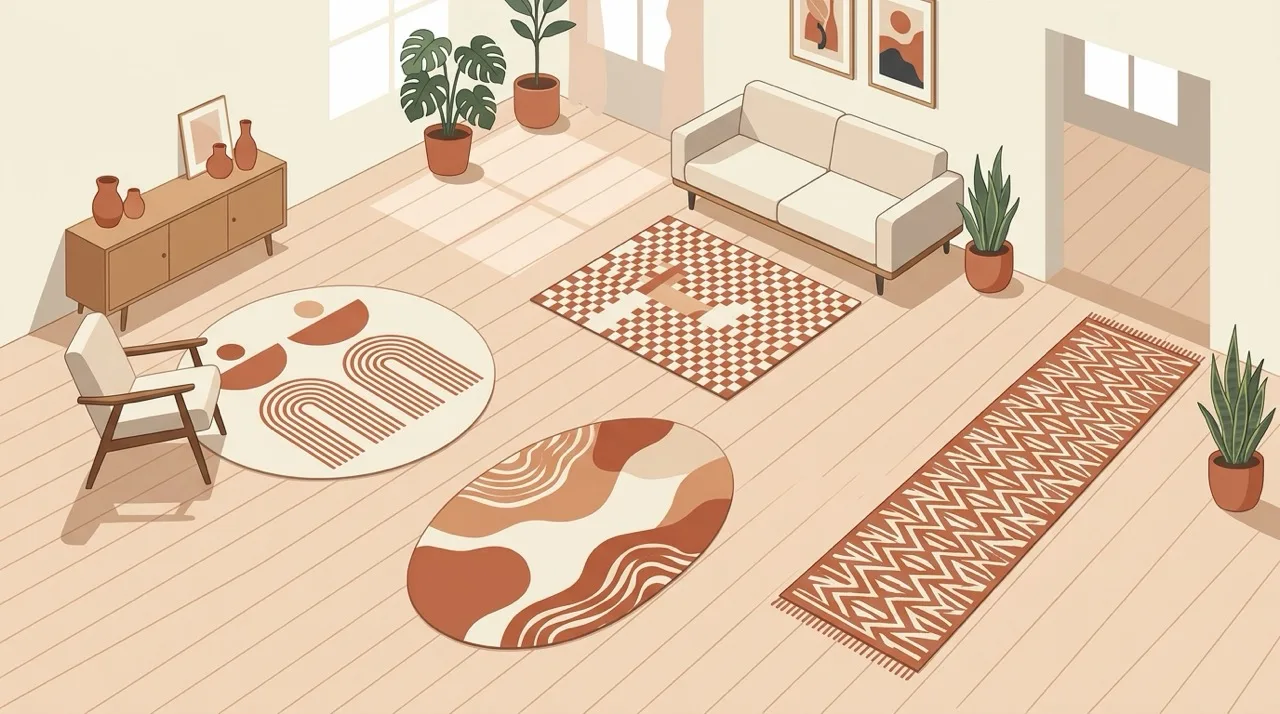
A rug's shape changes how a room feels. Compare round, oval, square and runner rugs, see which layout each one suits and learn the mistakes to avoid.
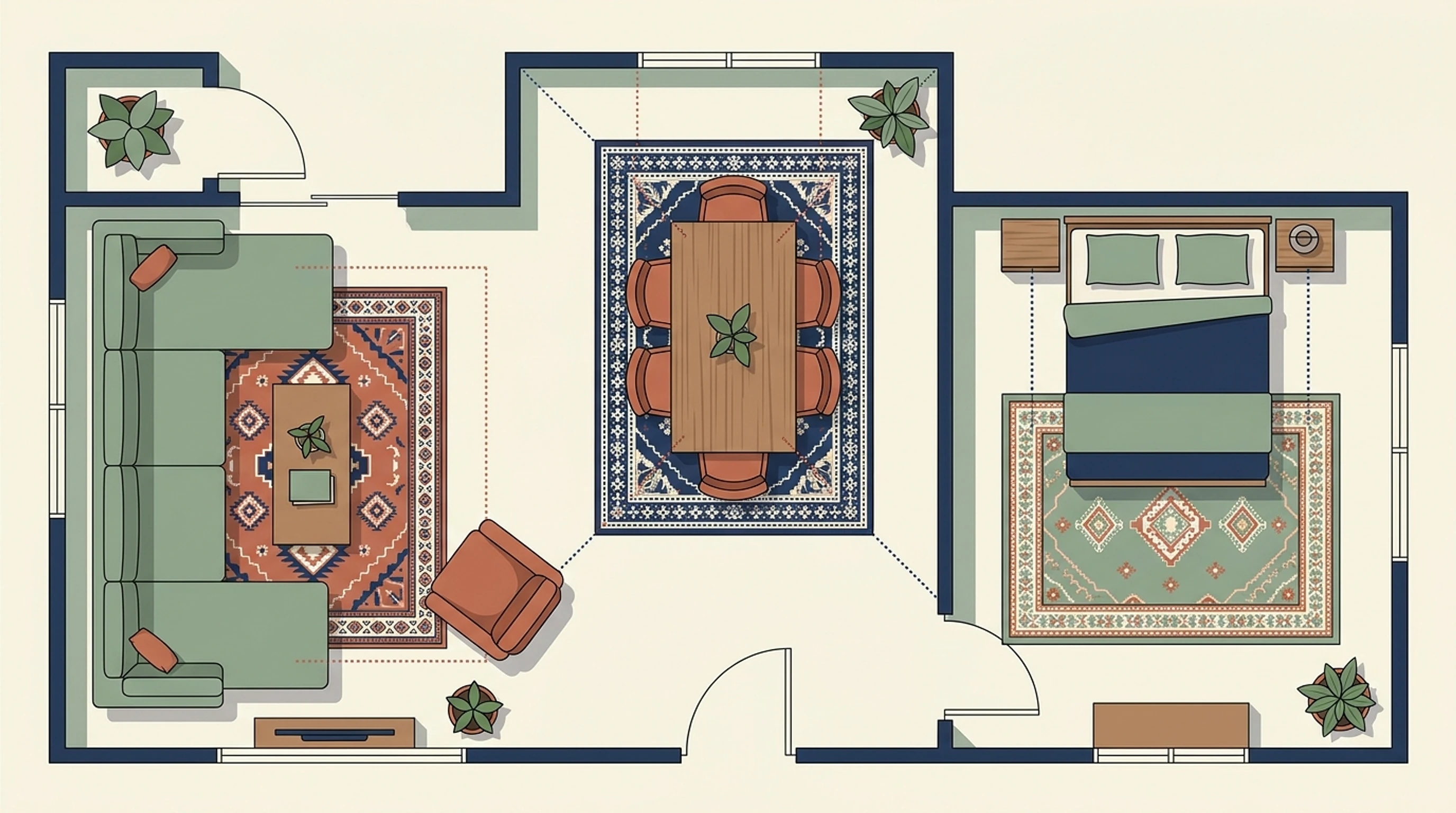
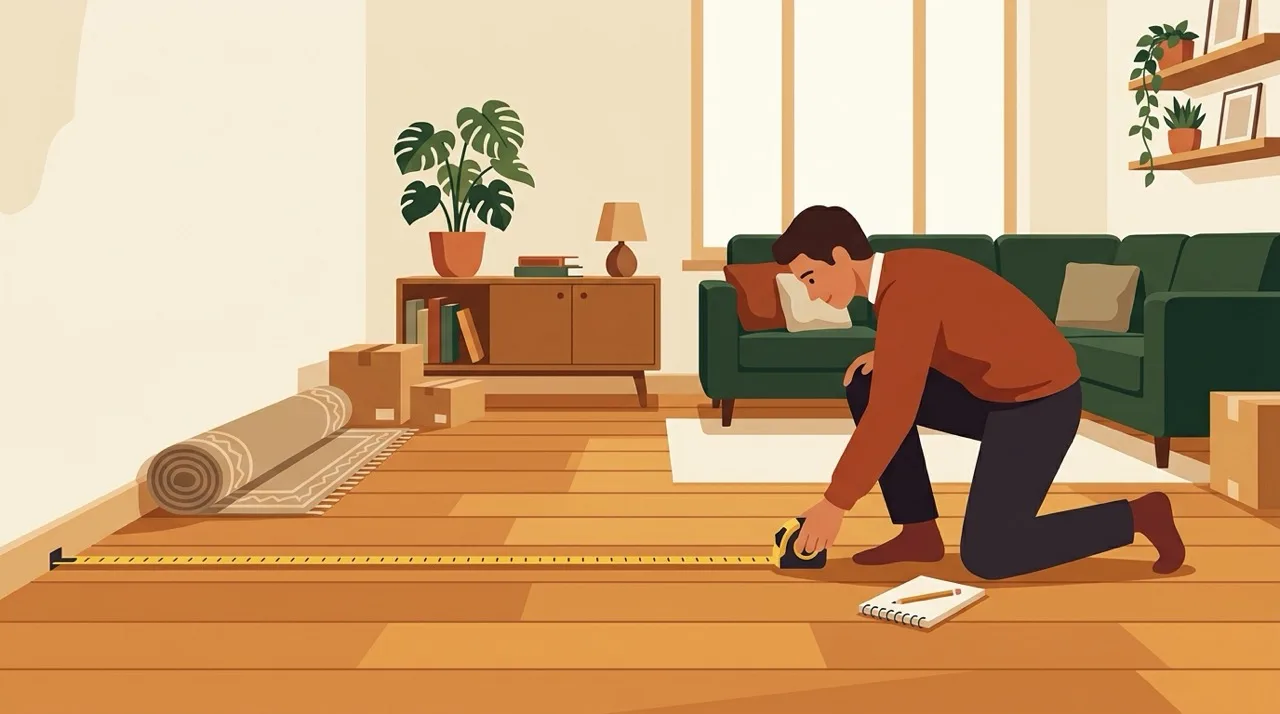
Measuring a room takes ten minutes and prevents expensive mistakes. Follow these steps to measure your floor, plan the borders and pick the right rug size.
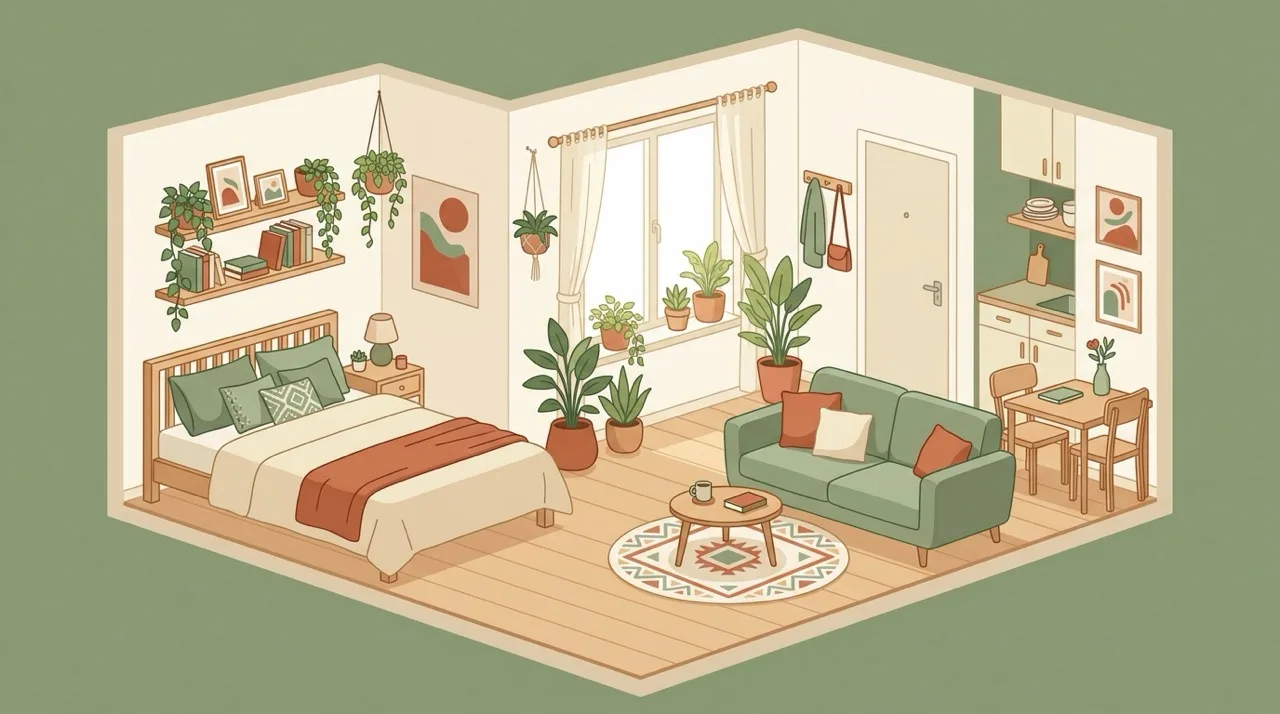
Small apartments need rugs that define space without crowding it. Learn which sizes fit a studio, how to place a small rug and how to make it look intentional.
Woven, knotted and framed textiles bring warmth to bare walls. Learn which pieces work in each room, how high to hang them and how to group them.
Handwoven and fair-trade labels mean different things. Learn how rugs are made by hand, who weaves them and how to check the claims.
Odd sizes, small rooms and one-of-a-kind looks all need a different approach. Learn how to measure, choose a shape and commission a custom rug that works.
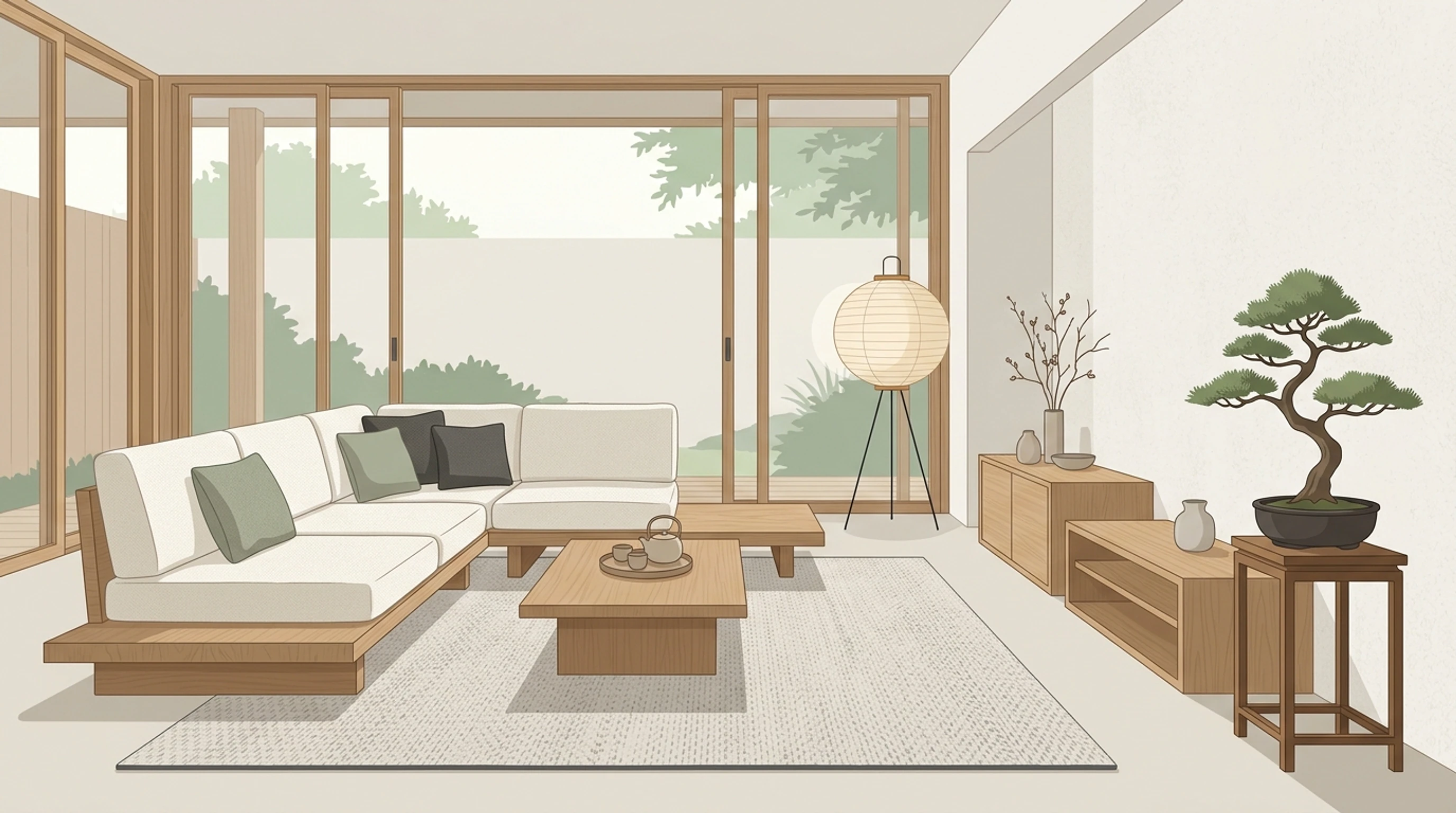
Japandi, wabi-sabi and organic modern share a quiet, natural look. Learn how to bring them home with calm colors, natural textures and the right rug.
A quality area rug lasts for decades. Use these six checks on construction, fiber, density and backing to tell a well-made rug from a cheap one.
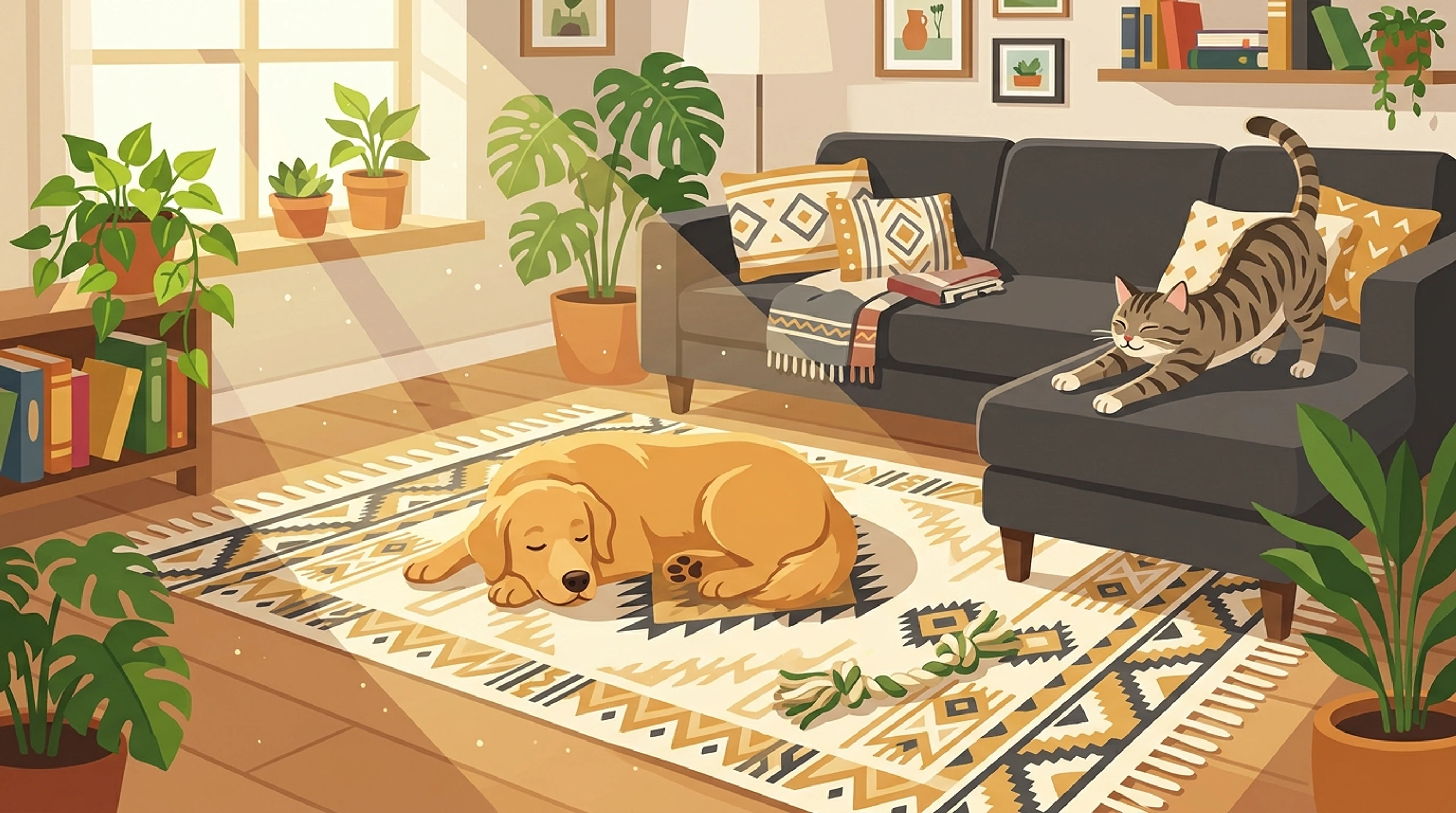
Pets and allergies make rug choice harder. Learn which materials hide hair, resist odors and trap less dust, and how to keep a rug fresh.
Your rug sits at the heart of your home, so what it is made of matters. Learn which materials, backings, dyes and labels point to a healthier, more sustainable rug.
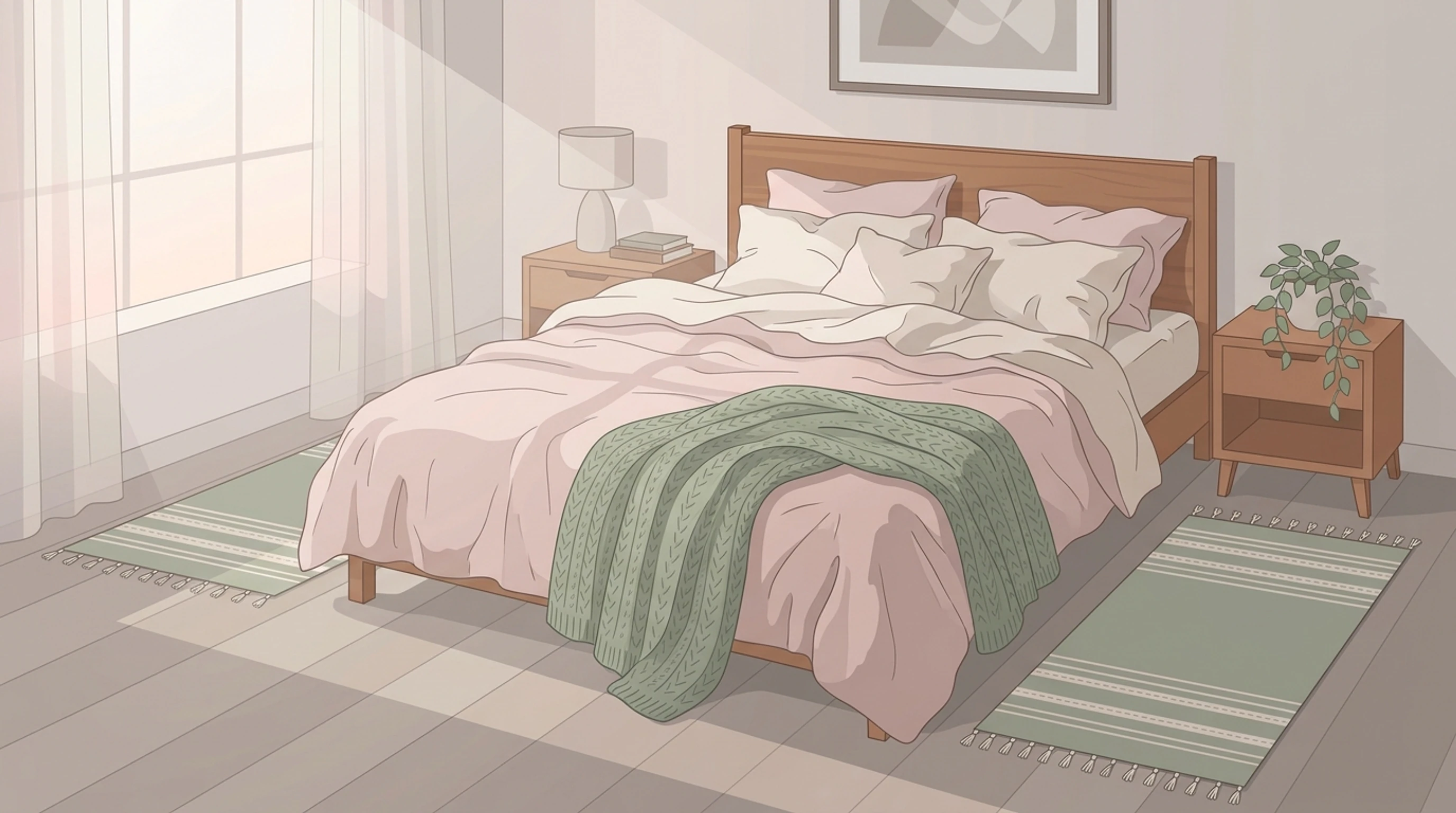
A bedroom rug should feel good under bare feet and frame the bed. Learn the three layouts that work, the right size for every bed and the best materials.
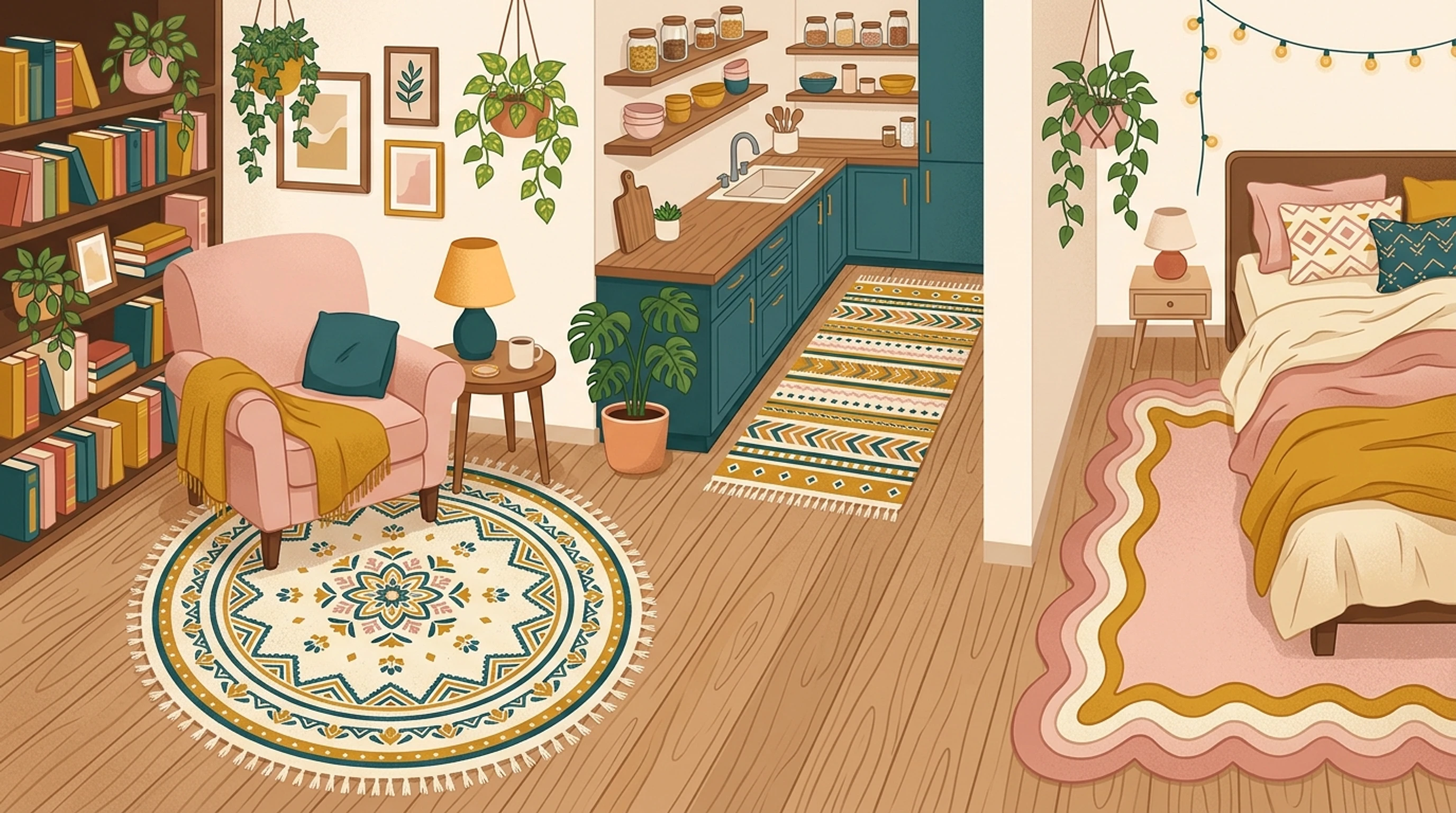
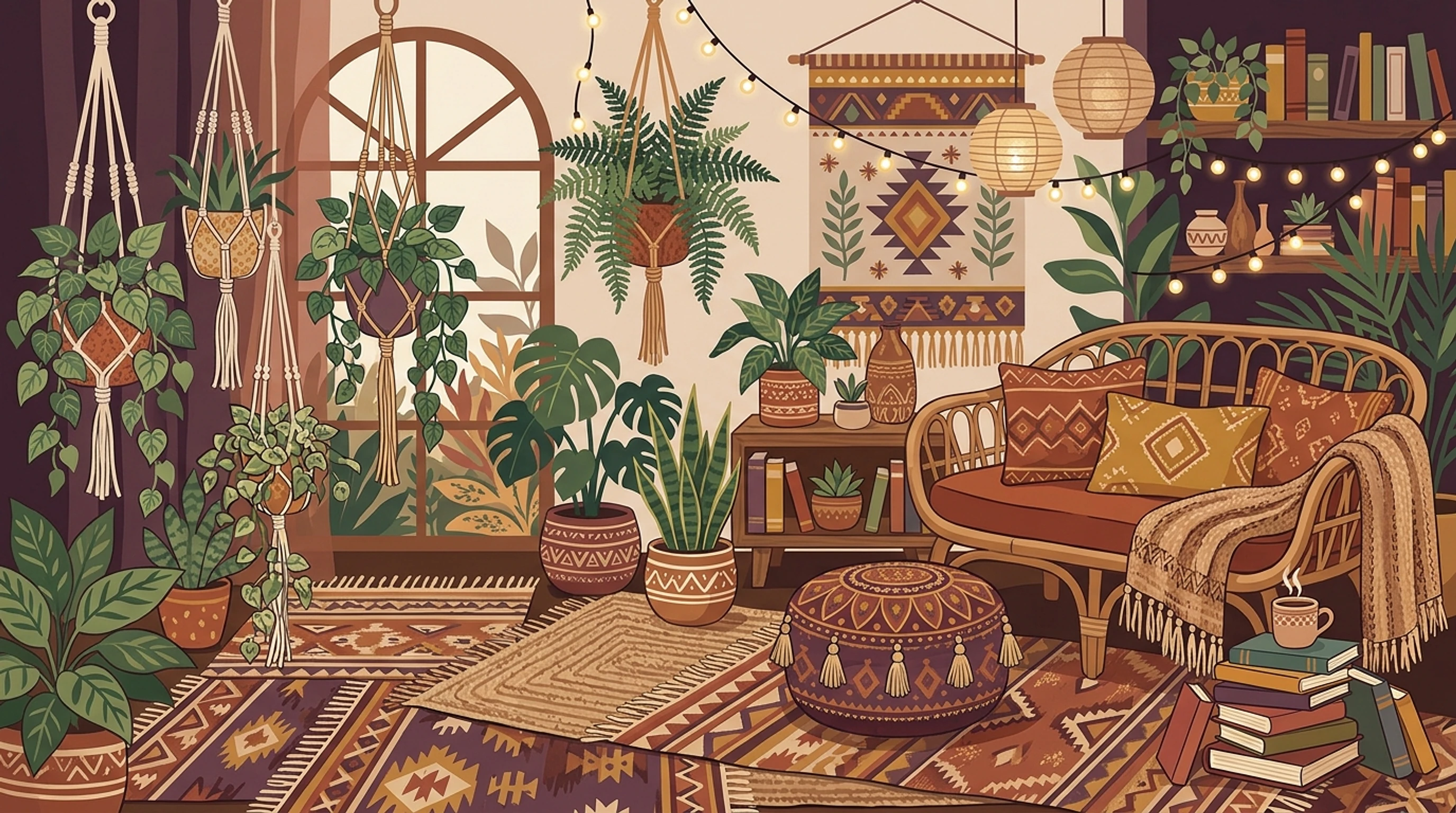
Boho style is layered, global and relaxed. Here is what it means, which rugs suit it and how to build the look without clutter.
Texture makes a neutral room feel warm and layered. Learn how to mix rugs, wall hangings, throws and natural fibers to add depth without clutter.
Entryways and hallways are the hardest-working floors in a home. Here is how to choose the right size, material and runner for each.
Price, durability and character all differ. Here is how to tell the two apart and which suits your home.
The right hanging method spreads weight evenly and protects the fibers for years.
A rug can anchor a room or add a bold accent. Use these tips to match color and pattern to your space.
Wool is naturally resilient, but a little routine care keeps a rug looking new for decades.
From medieval castle walls to modern fiber art, tapestries have always told stories in thread.