A rug is one of the largest textiles in your home. Children play on it, pets sleep on it and the air in the room passes over it every day. If you want a healthier home, or simply want to buy something that is kinder to the planet, a few choices matter more than any label. This guide covers them.
Start with the fiber
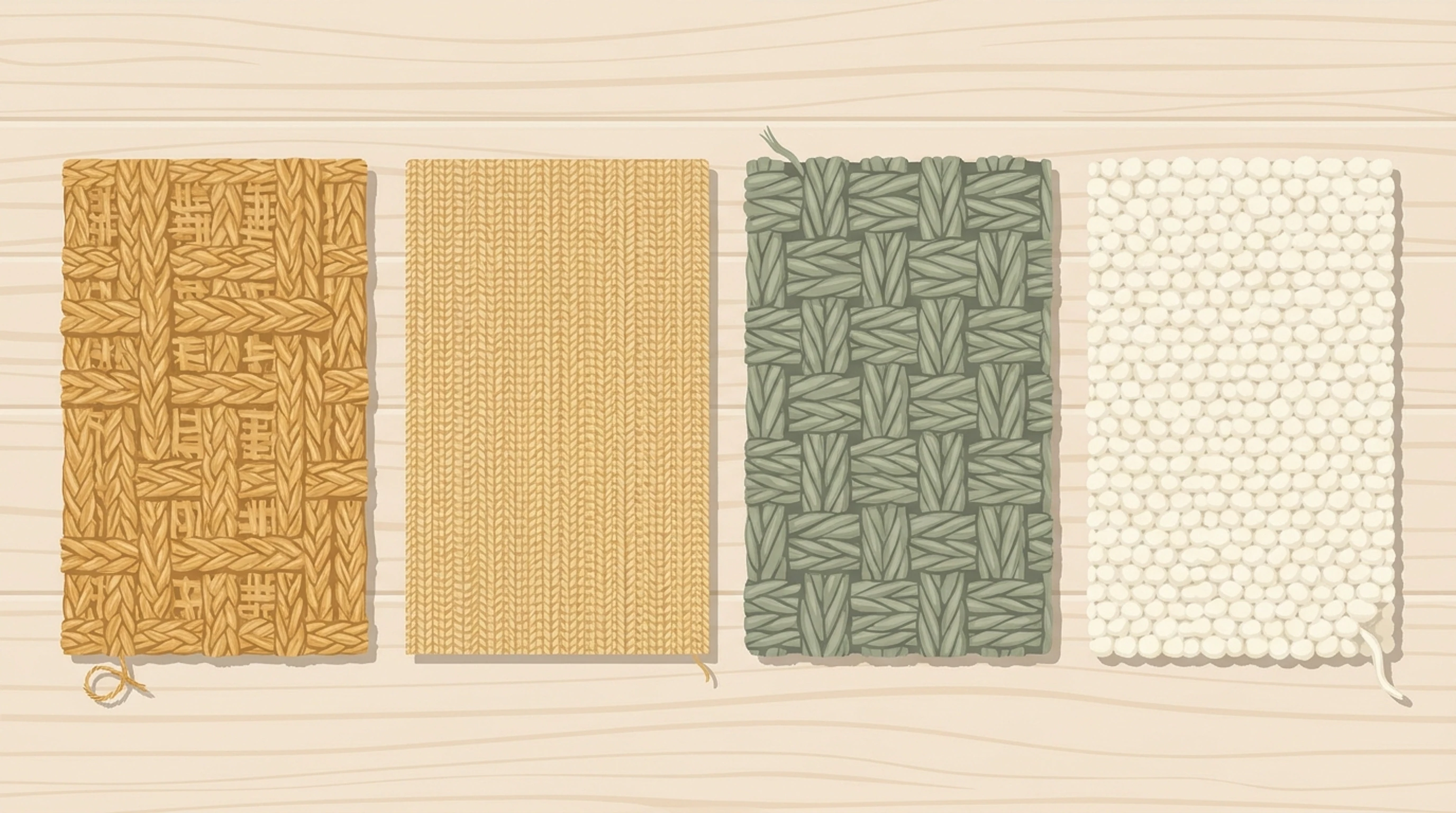
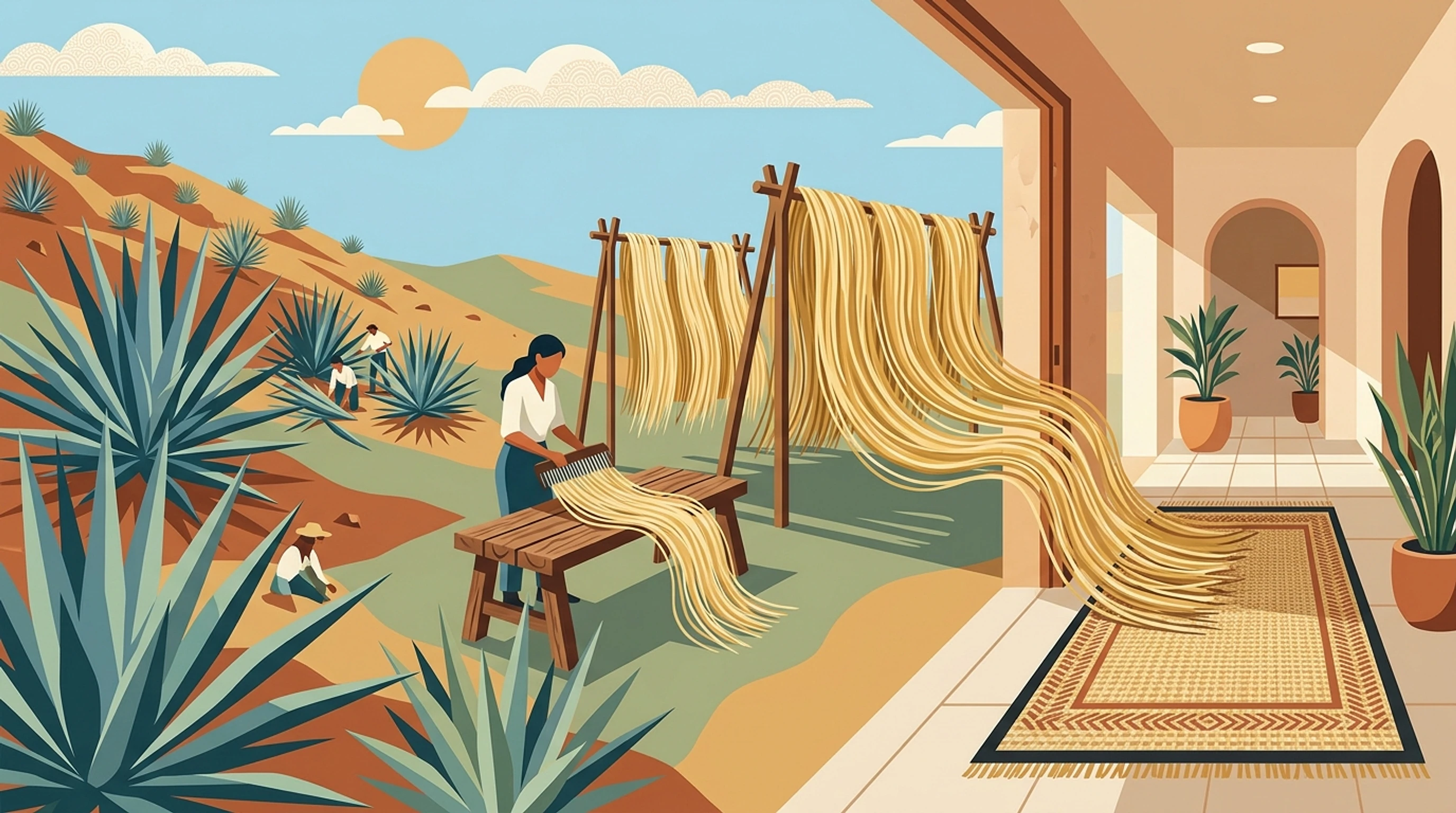
Natural, renewable fibers are the simplest place to begin.
- Wool: renewable, long lasting and naturally flame resistant, so it does not need added flame-retardant chemicals. It is also repairable. See our complete wool rug guide.
- Cotton: soft and breathable. Look for organic cotton if you can.
- Jute: a fast-growing plant fiber that is biodegradable. Read the complete jute rug guide.
- Sisal and seagrass: durable plant fibers, good for hallways. See sisal rugs.
Synthetic rugs made from petroleum-based fibers can cost less, but they do not biodegrade, and some can release fine plastic fibers when washed or worn. Our wool vs jute comparison helps you choose between the two most popular natural options.
Check the backing
The backing is often where a rug stops being natural. Many mass-produced rugs use a synthetic latex or foam backing glued to the underside. These can give off a chemical smell when new.
Look instead for:
- Hand-knotted or hand-woven construction, which needs no glue backing at all
- Cotton canvas or jute backing
- Natural latex, which comes from rubber trees
Our guide to handmade vs machine-made rugs explains how to tell the difference by looking at the back.
Think about dyes
Dyes affect both the look of a rug and how it was made.
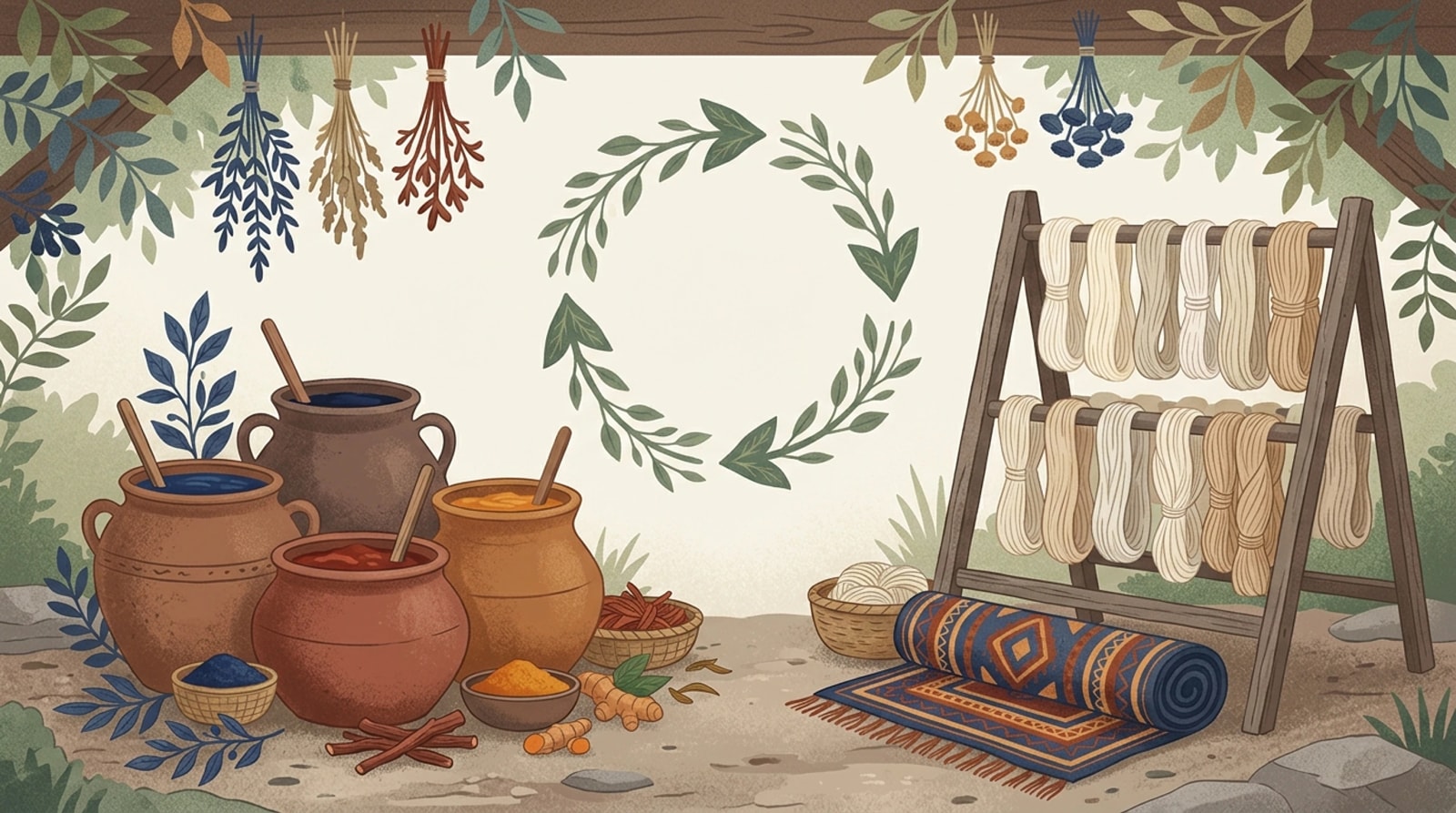
- Natural dyes come from plants and minerals, such as indigo, madder root and turmeric. They create deep, slightly varied colors.
- Low-impact synthetic dyes can be a good choice when properly made and tested.
- Undyed wool and jute skip the question entirely, and the natural color is part of the charm.
Be careful with very bright, very cheap rugs where the dye or finishing source is unknown. Our colorful rugs guide shows how to enjoy color while keeping a rug well made.
Beware of stain-proofing treatments
"Stain resistant" and "water repellent" finishes can contain chemicals. Some such treatments have used PFAS, a group of persistent chemicals. If a rug is sold as stain-proof, ask what the treatment is. Wool is naturally resistant to stains and dirt, so it rarely needs one.
What certifications mean
Labels can help, but read what each one covers.
| Label | What it generally covers | | --- | --- | | GOTS (Global Organic Textile Standard) | Organic fibers and the processing of textiles | | OEKO-TEX Standard 100 | Textiles tested for harmful substances | | GREENGUARD Gold | Low chemical emissions into indoor air | | Responsible Wool Standard | Animal welfare and land management for wool | | GoodWeave | Rugs made without child labor |
No single label covers everything. Choose the ones that match what matters most to you, and check with the seller that the certificate applies to the exact rug.
Air out a new rug
Even a natural rug can carry a faint smell from storage or transport. Unroll it in a well-ventilated room, or outside in the shade, for a day or two before you put it down.
Do not forget the pad
A rug pad is part of what sits on your floor. Choose natural rubber or felt over PVC or vinyl pads. See our rug pad guide for the options.
Make a rug last
The most sustainable rug is the one you keep for decades. Choose a size and style you will still like, protect it with a pad and clean it properly. Our guides to cleaning a wool rug and cleaning a jute rug show how.
Related guides
The Kindred Weave editors. We write practical guides to handmade rugs and tapestries. Learn more about us.